

Paving the Green Way: The Environmental Benefits of Permeable Pavement Solutions
As sustainability becomes an increasingly integral part of urban development, innovative solutions in the realm of infrastructure are emerging to meet environmental goals. One such groundbreaking solution is permeable pavement. In this blog, we’ll explore the environmental benefits of permeable pavement solutions, shedding light on how this eco-friendly alternative is transforming the landscape of our roads, parking lots, and sidewalks.
Stormwater Management: A Natural Filter
Traditional pavements contribute to stormwater runoff, carrying pollutants and contaminants into nearby water bodies. Permeable pavements, on the other hand, act as natural filters. Additionally, they allow rainwater to seep through the surface, trapping impurities and preventing them from reaching waterways. This natural filtration process helps improve water quality and protects aquatic ecosystems.
Reduced Flooding and Erosion
Permeable pavements play a crucial role in mitigating flooding and erosion. By absorbing rainwater directly into the ground, these pavements reduce surface runoff, minimizing the risk of flash floods and soil erosion. Also, this enhances the resilience of local ecosystems but also contributes to the overall stability of surrounding areas.
Recharging Groundwater: Sustaining Aquifers
Traditional pavements create impermeable surfaces that hinder the natural recharge of groundwater. Permeable pavements, however, facilitate the infiltration of rainwater, replenishing underground aquifers. Therefore, this sustainable water management approach helps maintain healthy groundwater levels, which are vital for supporting vegetation, ecosystems, and overall environmental balance.
Heat Island Mitigation: Cooling Urban Spaces
Urban heat islands, characterized by elevated temperatures in developed areas, are a growing environmental concern. Permeable pavements, with their ability to absorb and dissipate water, contribute to cooling urban spaces. Therefore, this effect helps alleviate the heat island phenomenon, creating more comfortable and environmentally friendly urban environments.
Biodiversity Promotion: Fostering Green Spaces
Permeable pavements can be designed to incorporate green spaces, allowing vegetation to thrive within the pavement structure. This integration supports biodiversity by providing habitats for insects, birds, and other small creatures. Additionally, in urban areas, where green spaces are often limited, permeable pavements offer an innovative way to enhance ecological diversity.
Carbon Footprint Reduction: A Greener Footprint
The production of traditional pavement materials often involves significant energy consumption and carbon emissions. In contrast, permeable pavements can be manufactured with recycled materials, reducing the overall carbon footprint. Additionally, the environmental benefits derived from stormwater management and heat island mitigation contribute to a more sustainable and eco-friendly urban infrastructure.
Longevity and Low Maintenance: Sustainable Life Cycle
Permeable pavements are designed to be durable and require minimal maintenance. The longevity of these pavements contributes to a sustainable life cycle, reducing the need for frequent repairs and replacements. This aspect not only conserves resources but also minimizes the environmental impact associated with pavement maintenance.
Conclusion: Paving the Path to Sustainable Infrastructure
Permeable pavement solutions represent a significant stride towards sustainable urban development. With their ability to manage stormwater, reduce flooding, promote groundwater recharge, mitigate heat islands, support biodiversity, and minimize the carbon footprint, these pavements offer a holistic approach to environmentally conscious infrastructure. As we pave the path to a greener future, permeable pavement solutions stand out as a vital component in creating resilient, eco-friendly urban spaces that prioritize the health of our planet.
At Royal Pavement Solutions, our top priority is to provide our customers with the best value for their paving investments. Our team of experienced professionals specializes in a wide range of services including concrete work, asphalt paving, sealcoating, asphalt repairs, parking lot striping, site work, and asphalt milling. We take pride in our exceptional workmanship, professionalism, and reputation, which is backed up by an extensive list of references. To request a free quote, simply fill out our online form or give us a call at 844-777-7924.
Our Latest Pave:
From Asphalt to “Blacktop”: Tracing the Road to a Common Term
When it comes to the world of road construction and surfacing, the term “blacktop” is a familiar one. But have you ever wondered where this word came from and how it became synonymous with paved roads? In this blog post, we’ll delve into the intriguing history of the word “blacktop” and explore its roots. Join us on a journey through time to discover the origins of this common term.
The Birth of “Blacktop”
-
The Early Paving Days: The story of “blacktop” begins in the early days of road construction, particularly in the United States. Before modern asphalt surfaces, roads were predominantly made of gravel or crushed stone. The idea of using a black, sticky substance as a binding agent for roads was revolutionary.
-
Tar and Macadam: In the 19th century, a Scottish engineer named John Loudon McAdam introduced the concept of “macadam” roads. These roads were constructed by layering small stones, which created a smoother surface. However, the real transformation came with the introduction of tar.
-
The Introduction of Asphalt: The word “asphalt” originates from the Greek word “asphalto,” which means “secure.” This substance was first used in road construction in the early 19th century. It was derived from petroleum and had excellent binding properties, making roads more durable.
The Transition to “Blacktop”
-
The Color of Progress: Asphalt’s dark color, resembling black, became a distinguishing feature. This was a crucial factor in the transition from “macadam roads” to what we now know as “blacktop.” The color helped absorb and retain heat, making it ideal for road construction in various climates.
-
The Term Emerges: Over time, the term “blacktop” gained popularity as the go-to word for describing asphalt roads. It was easier to remember and became synonymous with road surfacing.
-
The Widespread Adoption: The early 20th century saw a boom in road construction and the adoption of “blacktop” surfaces across the United States and eventually worldwide. With its durability and smooth texture, “blacktop” became the preferred choice for roads.
Conclusion
The term “blacktop” may have humble beginnings, but its journey from the early days of road construction to its present-day ubiquity is fascinating. Today, when we talk about “blacktop,” we are not just discussing a road surface; we are celebrating a piece of history. From the introduction of asphalt to the widespread adoption of “blacktop,” this term represents progress, innovation, and the evolution of our transportation infrastructure.
So, the next time you drive on a smooth, black surface, take a moment to appreciate the history and innovation that led to the creation of “blacktop” roads.
Understanding the origins of “blacktop” helps us appreciate the significance of this word and the role it has played in shaping our modern world. It’s a reminder of how language, technology, and transportation have evolved together to create the infrastructure we rely on today.
Asphalt has come a long way from its early use, and “blacktop” has paved the way for smoother, safer roads all around the world. The next time you travel on a “blacktop” road, you’ll have a deeper understanding of its rich history and how it has transformed our modern world.
Royal Paving Solutions are experts in blacktop
Are you looking to pave your parking lot? Contact Royal Parking Solution today for a quick quote! Our experienced team is ready to assess your project requirements and provide you with a personalized estimate.
Don’t wait; call or visit our website now to get started—Trust Royal Parking Solution for professional and reliable parking lot paving services.
Our Latest Pave:
Royal Pavement Solutions is the preeminent asphalt company on Long Island. Our services include asphalt patching, parking lot striping, asphalt paving, parking lot sweeping and portering, asphalt sealcoating, site work, parking lot repair, building maintenance, asphalt milling, and concrete flatwork. Our exceptional reputation is based on our remarkable craftsmanship, dedication to customer service, and utmost professionalism. If you would like a free quote, call 844-777-7924, fill out our online request form, or email info@RoyalPavementSolutions.com.
The Essential Guide to Asphalt Thickness for Parking Lots
If you’re involved in the planning or maintenance of a parking lot, one question that’s likely crossed your mind is, “How thick should the asphalt be?” The thickness of asphalt in a parking lot plays a critical role in ensuring its longevity and ability to withstand the rigors of daily use. In this blog, we’ll explore the optimal thickness of asphalt for different types of parking lots, ranging from residential driveways to large commercial spaces. We’ll also discuss the recommended inches of thickness and touch upon regional variations in asphalt thickness requirements, with a focus on several states across the United States.
Residential Driveways
When thinking about how thick asphalt should be, let’s start with residential. Residential driveways generally receive lighter traffic compared to commercial lots. The recommended thickness for asphalt in a residential driveway is typically in the range of 2 to 3 inches. A 2-inch layer is often suitable for regular passenger vehicles, but if you anticipate heavier vehicle traffic or larger vehicles, such as SUVs or trucks, a 3-inch thickness is preferable. This added thickness helps prevent premature cracking and pothole formation in your driveway.
Commercial Parking Lots
For commercial parking lots, how thick asphalt should be is a great question. The thickness of asphalt varies depending on factors like anticipated traffic volume and the type of vehicles using the space. In general, a commercial parking lot should have an asphalt thickness of 3 to 4 inches. Lighter-use lots can manage with a 3-inch layer, but for areas that will experience heavy traffic, especially from trucks and delivery vehicles, a 4-inch thickness is recommended. This added thickness provides the durability needed to prevent structural damage over time.
Industrial and Heavy-Duty Parking Lots
Industrial and heavy-duty parking lots, such as those found at manufacturing facilities, warehouses, or distribution centers, need even thicker asphalt to withstand the constant stress from heavy machinery and trucks. How thick should this asphalt be? In such cases, a minimum of 5 inches of asphalt is typically recommended. Some situations may necessitate thicker layers, up to 7 inches or more, to ensure the longevity of the lot.
Regional Variations in Asphalt Thickness
Asphalt thickness requirements can vary based on regional climate conditions and local regulations. Different states in the U.S. may have their own specifications for asphalt thickness to account for factors such as freeze-thaw cycles, soil conditions, and weather patterns. Here’s a look at how some states approach this issue:
a. California
In California, the thickness of asphalt in parking lots often adheres to the guidelines set by the California Department of Transportation (Caltrans). For standard parking lots, the recommended thickness is usually between 3 and 4 inches. However, local municipalities and regions may have additional requirements to consider, so it’s essential to consult local codes and regulations.
b. Texas
In Texas, where extreme weather conditions can lead to rapid wear and tear on asphalt, the recommended thickness for parking lots is typically on the higher side. A thickness of 4 to 6 inches is common, with some heavy-use areas exceeding 6 inches. These requirements help ensure that asphalt can withstand the hot Texas summers and the occasional frost in the northern parts of the state.
c. New York
In New York, the thickness of asphalt is influenced by the state’s cold winters and heavy precipitation. To withstand the freeze-thaw cycles and snow plowing, parking lots often require a minimum thickness of 4 to 6 inches. For high-traffic commercial areas, 6 inches of asphalt is more commonly recommended.
d. Florida
Florida’s mild climate allows for somewhat thinner asphalt layers in parking lots. Here, the typical thickness ranges between 2 and 3 inches for standard parking lots. However, certain commercial and industrial properties may opt for a thicker 4-inch layer to ensure better durability.
e. Alaska
In Alaska, where extreme cold and heavy snowfall are common, parking lots need robust asphalt layers. The recommended thickness in Alaska is often 6 to 8 inches to withstand the harsh winter conditions.
Conclusion
The thickness of asphalt in a parking lot is a crucial factor in ensuring its longevity and ability to withstand the demands of various types of traffic. While residential driveways can often manage with 2 to 3 inches of asphalt, commercial lots typically require 3 to 4 inches, and industrial or heavy-duty lots may need 5 inches or more.
It’s important to remember that regional variations, climate conditions, and local regulations can influence these recommendations. Before embarking on a parking lot construction or resurfacing project, consult local authorities and consider the specific needs of your location.
Ultimately, investing in the appropriate thickness of asphalt for your parking lot is a wise decision that will pay off in terms of reduced maintenance costs and a longer-lasting, safer, and more attractive parking area. Whether you’re in sunny California or frosty New York, understanding the right thickness for your asphalt is the first step toward a durable and reliable parking lot.
Royal Paving Solutions are experts in asphalt thickness
Are you looking to pave your parking lot? Contact Royal Parking Solution today for a quick quote! Our experienced team is ready to assess your project requirements and provide you with a personalized estimate.
Don’t wait; call or visit our website now to get started—Trust Royal Parking Solution for professional and reliable parking lot paving services.
Our Latest Pave:
Royal Pavement Solutions is the preeminent asphalt company on Long Island. Our services include asphalt patching, parking lot striping, asphalt paving, parking lot sweeping and portering, asphalt sealcoating, site work, parking lot repair, building maintenance, asphalt milling, and concrete flatwork. Our exceptional reputation is based on our remarkable craftsmanship, dedication to customer service, and utmost professionalism. If you would like a free quote, call 844-777-7924, fill out our online request form, or email info@RoyalPavementSolutions.com.
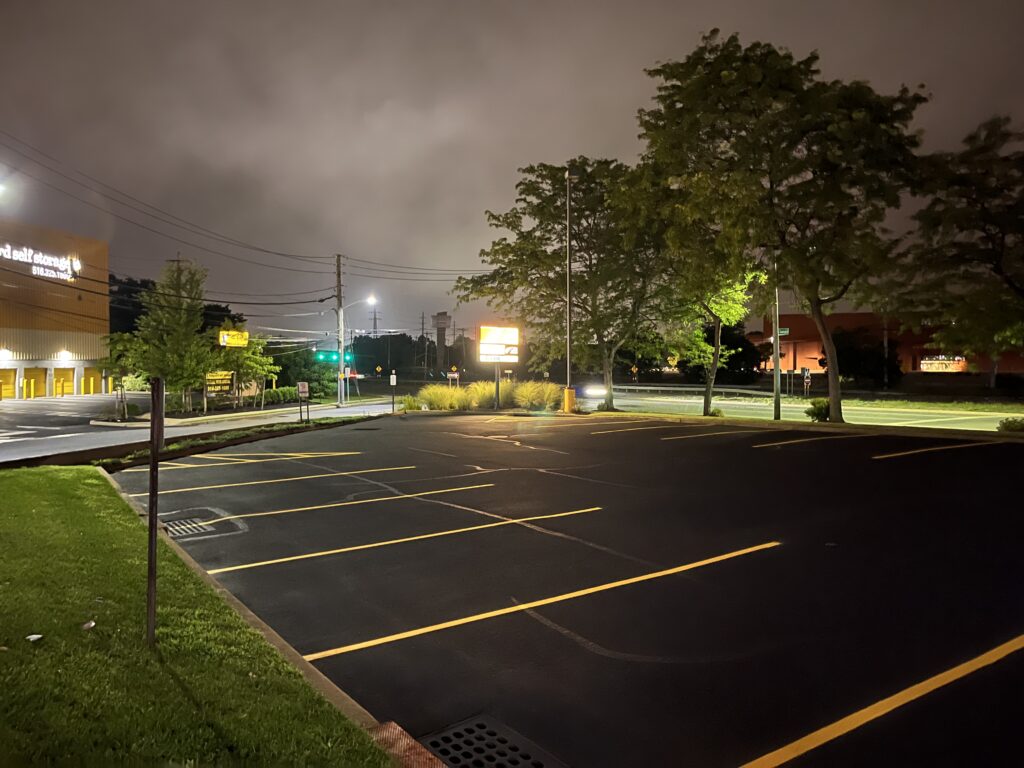
Parking Lot at Night: Is Asphalt Work Possible?
Exploring Nighttime Challenges and Weekend Solutions
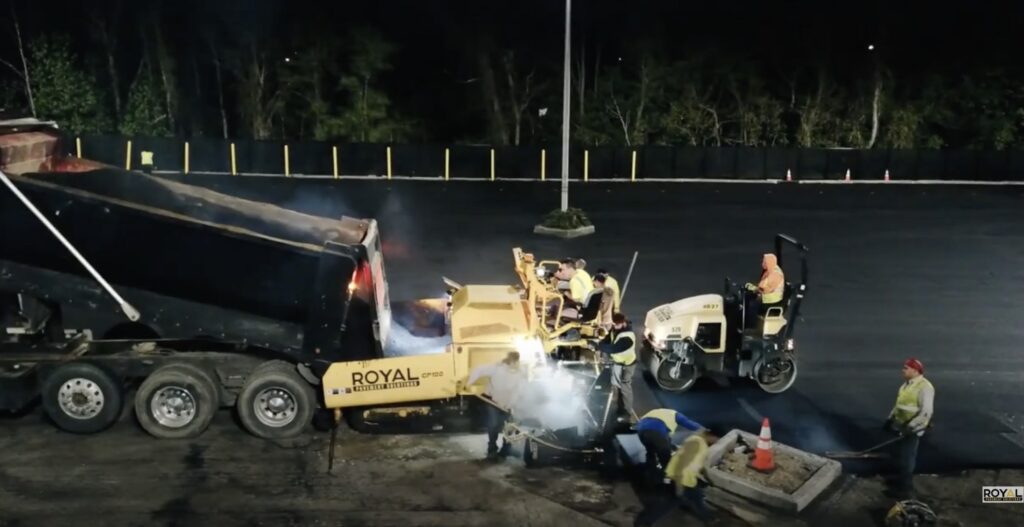
Parking lots are the unsung heroes of our daily lives, providing convenience during the day and often overlooked when the sun sets. Have you ever wondered if it’s possible to perform asphalt work in a parking lot at night? In this article, we’ll delve into the possibilities, benefits, and challenges of undertaking a parking lot project in the dark of night. We’ll also touch on the advantages of working on asphalt during the weekends.
Can You Do Asphalt Work at Night?
Many might be surprised to learn that asphalt work at night is not only possible but can also offer several advantages:
Advantages of Nighttime Asphalt Work:
-
Reduced Disruption:
Nighttime asphalt work minimizes disruptions to businesses and traffic flow. During the day, parking lots are bustling with activity, making it difficult to carry out maintenance or repairs without causing inconvenience. Working at night helps maintain a smooth workflow.
-
Cooler Temperatures:
Working with asphalt under the scorching sun can be uncomfortable and even dangerous for construction workers. Nighttime temperatures offer a more comfortable working environment and ensure that the asphalt sets correctly.
-
Enhanced Visibility:
Precision is crucial in asphalt work. Bright nighttime lights provide better visibility, helping workers ensure the quality of the project and improving safety by reducing the risk of accidents.
-
Faster Completion:
With reduced traffic and fewer obstacles, parking lot projects can be completed more quickly at night. This means less downtime for your business or clients, making nighttime work a cost-effective choice.
Weekend Asphalt Work:
Weekends also present a viable option for asphalt projects:
Advantages of Weekend Asphalt Work:
-
Flexibility:
Weekend asphalt work offers scheduling flexibility, allowing you to choose a time that minimizes disruption to your business or clients. This flexibility can enhance project planning and execution.
-
Reduced Traffic:
Much like nighttime work, weekends generally see less traffic in parking lots. This makes it easier to complete your project without the hassle of navigating around parked cars and pedestrians.
-
Extended Project Window:
Weekends provide a longer timeframe for completing asphalt projects. This can be particularly advantageous for larger jobs that require more time for preparation and execution.
Challenges of Working on Asphalt at Night:
However, working on asphalt at night comes with its set of challenges:
-
Limited Availability:
Not all municipalities or areas may permit nighttime construction due to noise restrictions. It’s essential to check local regulations and obtain the necessary permits.
-
Increased Lighting Costs:
The need for bright lighting during nighttime work can increase operational costs, potentially affecting your project budget.
-
Crew Adaptation:
Construction crews may need to adapt to working during non-standard hours, which can impact productivity and worker morale.
Tying It All Together
In conclusion, asphalt work at night is indeed possible and offers numerous advantages, including reduced disruption, cooler temperatures, enhanced visibility, and faster project completion. Weekends also provide flexibility for asphalt projects. However, it’s crucial to be aware of the challenges associated with nighttime work, such as limited availability, increased lighting costs, and crew adaptation.
When planning your next asphalt project, carefully weigh the pros and cons of working at night or on weekends. By understanding the options and challenges, you can make an informed decision that suits your project’s needs and goals. Whether under the cover of darkness or during the weekend hours, asphalt work can be efficiently and effectively executed to ensure the longevity and functionality of your parking lot.
Royal Paving Solutions can work on your project no matter the scheduling
Are you looking to pave your parking lot? Contact Royal Parking Solution today for a quick quote! Our experienced team is ready to assess your project requirements and provide you with a personalized estimate.
Don’t wait; call or visit our website now to get started—Trust Royal Parking Solution for professional and reliable parking lot paving services.
Our Latest Pave:
Royal Pavement Solutions is the preeminent asphalt company on Long Island. Our services include asphalt patching, parking lot striping, asphalt paving, parking lot sweeping and portering, asphalt sealcoating, site work, parking lot repair, building maintenance, asphalt milling, and concrete flatwork. Our exceptional reputation is based on our remarkable craftsmanship, dedication to customer service, and utmost professionalism. If you would like a free quote, call 844-777-7924, fill out our online request form, or email info@RoyalPavementSolutions.com.
How Much Does it Cost to Pave a Parking Lot?

Paving a parking lot is essential to creating a safe and functional space for vehicles. Whether you are considering constructing a new parking lot or repaving an existing one, it’s crucial to understand the costs involved.
This article will provide a comprehensive breakdown of the expenses associated with paving a parking lot, including asphalt, and concrete options, as well as additional costs for size, resurfacing, and add-ons.
Cost Estimation of Parking Lot Construction:
The price of paving a parking lot can vary greatly based on several variables, including the type of materials used, how big the parking lot is, the site’s characteristics, and labor rates.
The total cost can range from $25,000 to $1,000,000 and up.
|
Low |
Average |
High |
|
$25,000 |
$100,000 |
$1,000,000 |
Asphalt vs. Concrete Parking Lot Costs
Asphalt and concrete are the most common options when choosing materials for a parking lot. Both have their advantages and costs that need to be considered.
Concrete parking lots cost $10 to $20 per square foot, compared to the $4.00 to $10.00 per square foot that asphalt parking lots cost.
Concrete is more expensive because it is typically rated to last longer than asphalt, even though neither takes significantly longer to install than the other.
Asphalt parking lots endure 15 to 30 years with proper maintenance, and concrete parking lots can last 30 to 40 years or more.
Asphalt Parking Lot Cost Breakdown
Several key factors contribute to the overall expense when considering the cost breakdown of an asphalt parking lot. It includes site preparation, clearing, excavation, drainage, and many more.
The cost breakdown of an asphalt parking lot includes site preparation, base installation, asphalt material, and, paving.
Moreover, it includes additional features such as drainage systems, striping and markings, and curbing and sidewalks.
These figures, however, are estimates, and it is advisable to consult with professional contractors for a more accurate cost breakdown based on specific project requirements and location.
Cost Breakdown for Concrete Parking Lot
The prices for concrete parking lots are between $10 and $20 per square foot, including materials and labor. Concrete delivery expenses are frequently included in this pricing, especially if you receive numerous contractor estimates for your project.
Varying costs will be labor expenses. Market prices will change once more. The optimal time to pour concrete is in the cooler early autumn months, although owing to demand, prices may increase.
Cost per Space or Size in a Parking Lot
A fair range to remember while planning each parking place in a parking lot is $405 to $1,134. Parking spaces are typically 9 feet wide by 18 feet long or 162 square feet. Remember that the extra space makes up a little more than half of the lot’s total area.
The prices listed below are approximations based on the required spaces and available square footage.
|
Est. # of Spots |
Square Footage |
Price Range |
|
6 |
2,000 |
$5,000-$14,000 |
|
10 |
4,000 |
$10,000-$28,000 |
|
30 |
10,000 |
$25,000-$70,000 |
|
100 |
35,000 |
$87,000-$245,000 |
|
200 |
70,000 |
$175,000-$490,000 |
|
300 |
100,000 |
$250,000-$700,000 |
Cost to Repave a Parking Lot
Every 15 to 20 years, an asphalt parking lot must be repaved. Per square foot, this will cost between $1.50 and $3.50.
Two inches of the overlay must be added to the previous surface while repaving a parking lot, which could impact the cost. You can pay more than $3.50 per square foot if repairs need to be made before pouring overlay or if a contractor decides you need to add more overlay to patch up gaps or cracks.
Contact Royal Paving Solutions to get a quick Quote to Pave a Parking Lot
Are you looking to pave a parking lot? Contact Royal Parking Solution today for a quick quote! Our experienced team is ready to assess your project requirements and provide you with a personalized estimate.
Don’t wait; call or visit our website now to get started—Trust Royal Parking Solution for professional and reliable parking lot paving services.
Check Out Our Latest Pave:
Royal Pavement Solutions is the preeminent asphalt company on Long Island. Our services include asphalt patching, parking lot striping, asphalt paving, parking lot sweeping and portering, asphalt sealcoating, site work, parking lot repair, building maintenance, asphalt milling, and concrete flatwork. Our exceptional reputation is based on our remarkable craftsmanship, dedication to customer service, and utmost professionalism. If you would like a free quote, call 844-777-7924, fill out our online request form, or email info@RoyalPavementSolutions.com.
Are Sealcoating and Crack Filling a Waste of Money?
Are Sealcoating and Crack Filling a Waste of Money?
When it comes to maintaining and extending the life of your asphalt pavement, two common methods are sealcoating and crack filling. These techniques offer cost-effective solutions to protect your pavement from the harsh elements and the wear and tear of daily traffic. However, some property owners may wonder if sealcoating and crack filling are truly worth the investment compared to the more extensive processes of milling and paving. In this blog, we’ll explore the benefits of sealcoating and crack filling and help you answer the question, “Are sealcoat and crackfill a waste of money?”
Understanding Sealcoating and Crack Filling
Before we dive into the cost comparison, let’s briefly understand what sealcoating and crack filling entail.
-
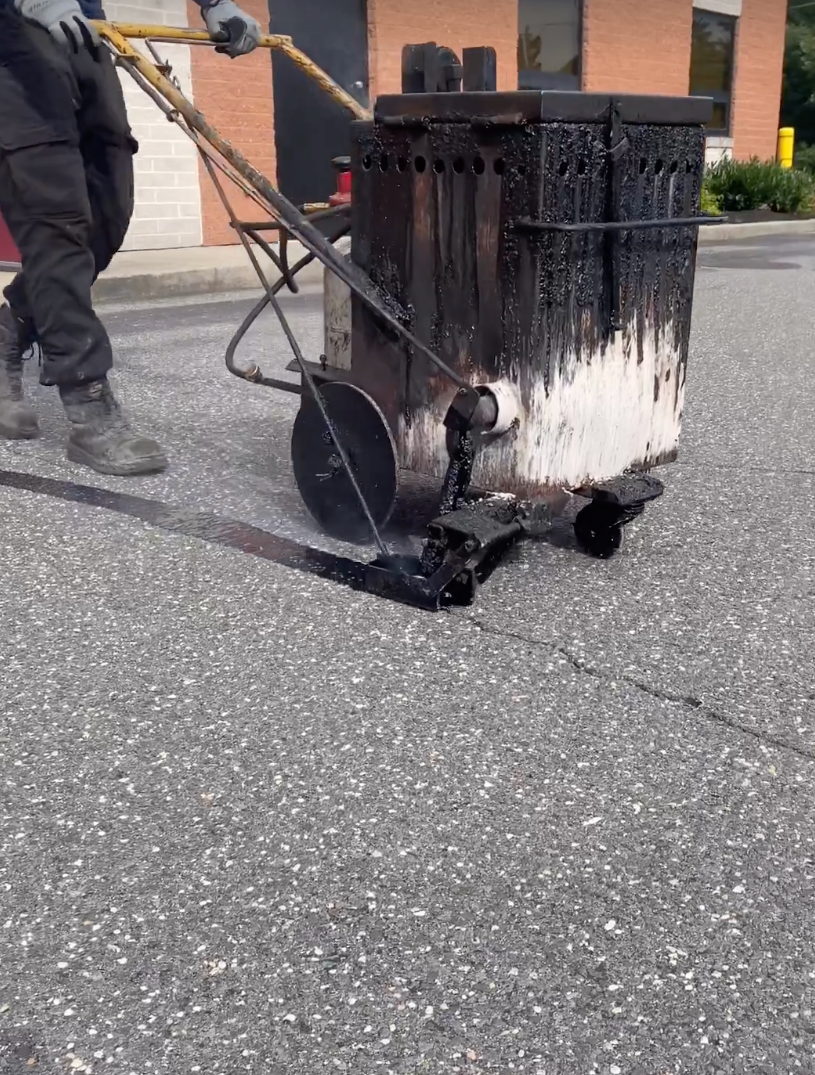
Sealcoating: Sealcoating is the process of applying a protective layer of sealant to the surface of your asphalt pavement. This sealant acts as a barrier against harmful UV rays, water, oil, and other elements that can cause damage to your pavement. It also enhances the appearance of your asphalt, giving it a fresh, black look.
-
Crack Filling: As asphalt ages, it may develop cracks due to temperature fluctuations and traffic stress. Crack filling is the process of filling these cracks with a specialized sealant to prevent moisture infiltration and further deterioration. This technique is particularly essential in preventing small cracks from turning into larger, more expensive problems.
Benefits of Sealcoating and Crack Filling
Now that we understand what sealcoating and crack filling are, let’s explore their benefits to determine if they are worth the money:
-
-
Cost-Effective Maintenance: Sealcoating and crack filling are significantly more cost-effective than milling and paving. They help you extend the life of your asphalt pavement without the need for a complete reconstruction, which can be a substantially more expensive endeavor.
-
Prevents Water Damage: Water is one of the most significant threats to asphalt pavement. Sealcoating creates a waterproof barrier that prevents water from seeping into the underlying layers. Crack filling further reinforces this protection by sealing off potential entry points for water.
-
Enhances Curb Appeal: A freshly sealcoated and crack-filled asphalt surface looks clean, smooth, and well-maintained. This improvement in aesthetics can enhance the overall curb appeal of your property, making it more attractive to customers, tenants, or visitors.Cutting Curbs Before You Sealcoat:
-
@royalpavementsolutions Cuttin’ curbs but never corners 💯 #sealcoating #cuttingcurbs #asphalt #pavement #paving #pavementlife #asphaltlife #construction ♬ Cut It ft. Young Dolph – O.T. Genasis
4. Extends Pavement Life: Regular sealcoating and crack filling can extend the life of your pavement by several years. This means you won’t have to invest in costly milling and paving as frequently, saving you money in the long run.
5. Prevents Costly Repairs: Neglecting to sealcoat and fill cracks can lead to more extensive damage, such as potholes and alligator cracking. Repairing these issues can be significantly more expensive than preventative maintenance.
6. Environmentally Friendly: Sealcoating and crack filling are environmentally friendly options compared to the resource-intensive processes of milling and paving. They use fewer raw materials and produce less waste.
Cost Comparison: Sealcoating and Crack Filling vs. Milling and Paving
Now, let’s delve into the cost comparison between sealcoating/crack filling and milling/paving to determine if the former options are a waste of money.
- Initial Cost:
-
Sealcoating and Crack Filling: These methods have lower initial costs compared to milling and paving. The materials used are relatively inexpensive, and labor costs are lower since the process is less labor-intensive.
-
Milling and Paving: Milling and paving involve more extensive labor, equipment, and materials. The initial investment is significantly higher.
- Long-Term Cost:
-
Sealcoating and Crack Filling: Although you may need to reapply sealcoating every 2-3 years and perform regular crack filling, the long-term cost is still considerably lower than milling and paving. These maintenance activities protect your asphalt, delaying the need for more extensive repairs.
-
Milling and Paving: While milling and paving provide a brand-new surface, they come with a higher long-term cost due to the frequency at which you may need to undertake these processes. Over time, this can add up to a substantial expense.
- Return on Investment:
-
Sealcoating and Crack Filling: The return on investment for sealcoating and crack filling is excellent, considering the cost savings on extensive repairs and the prolonged life of your pavement. The improved aesthetics also add value to your property.
-
Milling and Paving: While milling and paving provide a new surface, the return on investment may take longer to realize due to the higher initial and long-term costs
Conclusion
In conclusion, sealcoating and crack filling are far from being a waste of money when compared to milling and paving. These maintenance techniques offer several benefits, including cost-effectiveness, protection against water damage, enhanced curb appeal, and an extended pavement life. While the initial cost of sealcoating and crack filling is lower, the long-term savings and return on investment make them a smart choice for property owners looking to protect their asphalt surfaces without breaking the bank.
So, the next time you’re considering whether to invest in sealcoating and crack filling, remember that these preventative measures are a wise choice that can save you money in the long run while preserving the beauty and functionality of your asphalt pavement.
Revitalize your business’s image with a freshly paved parking lot from Royal Pavement Solutions. Our team of experts knows the importance of a well-maintained parking lot, and we are committed to helping you create a safe, organized, and visually appealing space for your customers.
Check Out Our Latest Pave:
Don’t let a dingy parking lot be the reason potential customers pass you by – Contact us right away to arrange a consultation, and allow us to demonstrate how we can improve the exterior appeal of your company. Choose Royal Pavement Solutions for superior quality, exceptional service, and a parking lot that will make your business shine.
Royal Pavement Solutions is the preeminent asphalt company on Long Island. Our services include asphalt patching, parking lot striping, asphalt paving, parking lot sweeping and portering, asphalt sealcoating, site work, parking lot repair, building maintenance, asphalt milling, and concrete flatwork. Our exceptional reputation is based on our remarkable craftsmanship, dedication to customer service, and utmost professionalism. If you would like a free quote, call 844-777-7924, fill out our online request form, or email info@RoyalPavementSolutions.com.
Mastering the Art of Asphalt: When Can You Safely Hit the Road?

Mastering the Art of Asphalt: When Can You Safely Hit the Road?
When you’re eagerly waiting to cruise down newly laid asphalt roads or driveways, it’s natural to wonder, “How long until you can drive on asphalt?” Understanding the timeline for asphalt curing and achieving its optimal strength is essential to prevent any damage to your vehicle or the surface. In this comprehensive guide, we’ll delve into the factors affecting asphalt curing times, best practices for driving on freshly paved asphalt, and how to maintain your asphalt surface for the long haul.
Factors Affecting Asphalt Curing Times
-
Temperature: Asphalt curing time largely depends on the ambient temperature. In warmer climates, asphalt can cure faster, typically within 24 to 48 hours. However, in cooler conditions, it may take longer, up to 72 hours or more.
-
Thickness of the Asphalt Layer: Thicker asphalt layers will generally take longer to cure. Thin overlays may be ready for use within a day, while thicker pavements might need a few extra days.
-
Sunlight and Air Exposure: Exposure to sunlight and air accelerates the curing process. The UV rays help to harden the surface, making it ready for traffic sooner.
-
Mix Design: The composition of the asphalt mix plays a significant role in curing time. Asphalt mixes with additives like accelerators can cure faster than standard mixes.
-
Traffic Loads: Avoid heavy traffic loads on freshly laid asphalt, especially in the early curing stages, as it can damage the surface and extend the curing time.
When Can You Safely Drive on Fresh Asphalt?
As a general rule of thumb, you should avoid driving on freshly paved asphalt for at least 24 to 48 hours. During this initial curing period, the asphalt is still relatively soft and vulnerable to damage from the weight and heat generated by vehicles. To ensure the longevity of your asphalt surface and prevent issues like rutting or cracking, follow these guidelines:
-
Wait Patiently: Be patient and avoid driving on the asphalt until it has had sufficient time to cure.
-
Monitor the Surface: After 24 hours, check the surface for any signs of softness or damage. If the asphalt appears firm and resilient, it’s a good indication that it’s ready for use.
-
Limit Vehicle Weight: Even after the initial curing period, try to limit heavy vehicles and equipment on the asphalt for the first few weeks.
-
Avoid Sudden Stops and Turns: Be gentle on your asphalt surface during the first few weeks. Avoid sudden stops, sharp turns, and excessive acceleration.
-
Regular Maintenance: To maximize the lifespan of your asphalt, schedule regular maintenance, including sealing and crack repairs.
Conclusion
In the quest to answer the question, “How long until you can drive on asphalt?” it’s clear that patience and proper care are essential. While you may be eager to hit the road, allowing your asphalt to cure adequately is crucial for its longevity and durability. By considering factors like temperature, thickness, and mix design, and by following the recommended waiting period and usage guidelines, you can ensure your newly paved asphalt remains in top condition for years to come. Remember, a little patience now will lead to smoother rides in the future.
Revitalize your business’s image with a freshly paved parking lot from Royal Pavement Solutions. Our team of experts knows the importance of a well-maintained parking lot, and we are committed to helping you create a safe, organized, and visually appealing space for your customers.
Check Out Our Latest Pave:
Don’t let a dingy parking lot be the reason potential customers pass you by – Contact us right away to arrange a consultation, and allow us to demonstrate how we can improve the exterior appeal of your company. Choose Royal Pavement Solutions for superior quality, exceptional service, and a parking lot that will make your business shine.
Royal Pavement Solutions is the preeminent asphalt company on Long Island. Our services include asphalt patching, parking lot striping, asphalt paving, parking lot sweeping and portering, asphalt sealcoating, site work, parking lot repair, building maintenance, asphalt milling, and concrete flatwork. Our exceptional reputation is based on our remarkable craftsmanship, dedication to customer service, and utmost professionalism. If you would like a free quote, call 844-777-7924, fill out our online request form, or email info@RoyalPavementSolutions.com.
Maximizing the Longevity of Your New Asphalt Parking Lot
Maximizing the Longevity of Your New Asphalt Parking Lot
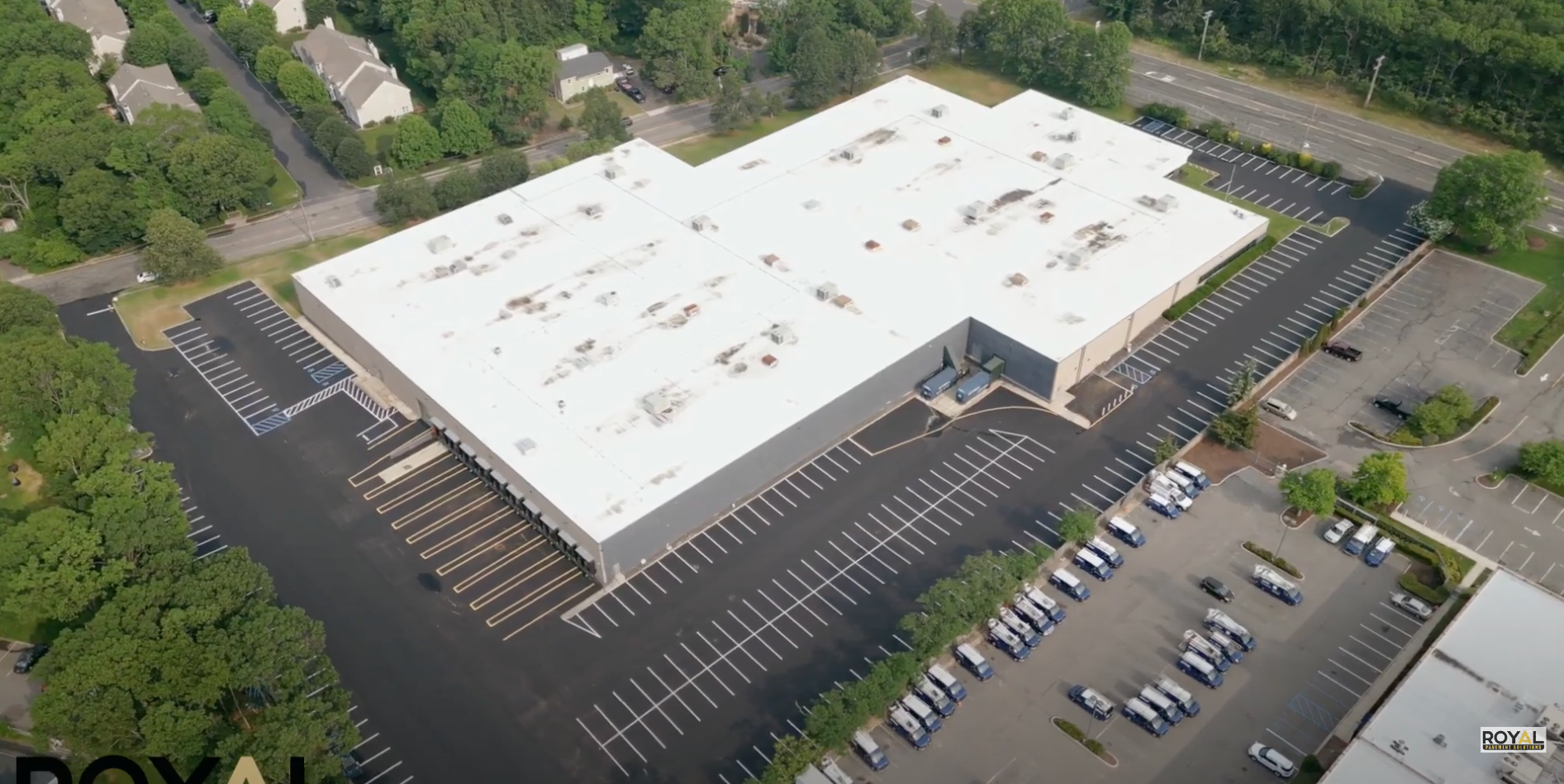
Your newly installed asphalt parking lot is a significant investment, and you want it to last as long as possible.
If you’ve recently installed a new asphalt parking lot, you’re probably wondering, “How long will my new parking lot last?” In this comprehensive blog, we will delve into the critical factors influencing the lifespan of an asphalt parking lot while providing expert tips to ensure its durability.
Quality of Materials:
One of the most crucial factors that determine the lifespan of your new parking lot is the quality of the materials used in its construction. Asphalt, also known as blacktop, is the most common material used for parking lots due to its cost-effectiveness and durability. However, not all asphalt is created equal.
High-quality asphalt, often referred to as hot-mix asphalt, is made from a blend of aggregates, such as gravel and sand, mixed with a binder known as bitumen. The ratio of these components and the quality of the bitumen play a significant role in the overall strength and durability of the asphalt.
Pro Tip: To ensure your parking lot lasts as long as possible, it’s crucial to work with reputable contractors who use top-grade materials. Investing in quality upfront can save you from premature repairs and replacements down the road.
Proper Installation:
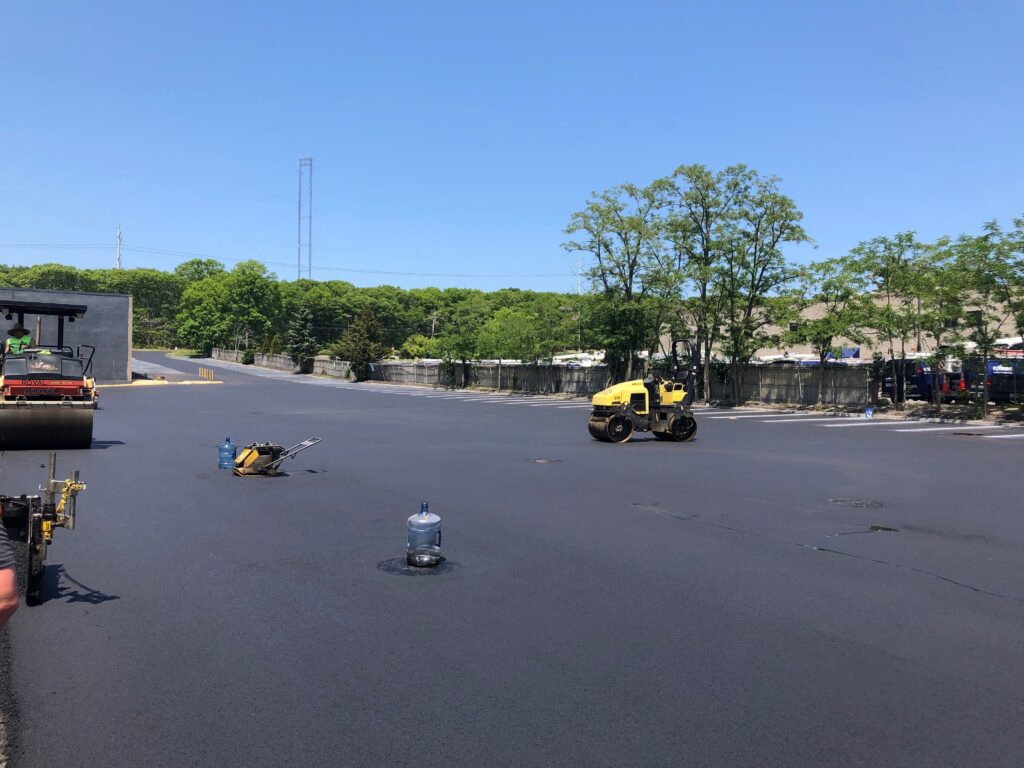
The installation process of your parking lot is just as important as the materials used. Proper installation ensures that the asphalt is compacted correctly, creating a strong and stable surface. The thickness of the asphalt layer, the compaction method, and the quality of the subbase all contribute to the longevity of your parking lot.
Pro Tip: An experienced asphalt contractor will know how to properly prepare the subgrade, install a suitable base layer, and pave the asphalt to the right thickness. This attention to detail during installation can add many years to the life of your parking lot.
Climate and Weather Conditions:
The climate in which your parking lot is located can have a significant impact on its lifespan. Extreme temperatures, frequent freeze-thaw cycles, and excessive rainfall can accelerate wear and tear on the asphalt surface.
Pro Tip: In areas with harsh winters, the expansion and contraction of the asphalt due to freezing and thawing can cause cracks to develop. These cracks can allow water to penetrate, leading to further damage. To mitigate these effects, regular maintenance, such as sealcoating and crack sealing, is essential.
Maintenance Practices:
Regular maintenance is the key to extending the life of your parking lot. Neglecting maintenance can lead to more significant issues that require costly repairs or even complete replacement.
Pro Tip: Here are some essential maintenance practices for asphalt parking lots:
- Sealcoating: Applying a sealcoat every 2-3 years can protect the asphalt surface from UV rays, moisture, and oil and gas spills, significantly extending its lifespan.
- Crack Sealing: Promptly filling and sealing cracks prevents water infiltration and stops them from spreading further.
- Routine Cleaning: Regularly remove debris, leaves, and standing water from your parking lot to prevent damage and deterioration.
- Pothole Repair: Address potholes promptly to prevent them from growing and causing more extensive damage.
- Striping and Marking: Re-striping and re-marking your parking lot not only enhances its appearance but also improves safety.
@royalpavementsolutions The only thing that hits harder than this beat is us on the pavement #paving #pavement #asphalt #striping #sweeping #construction #hardwork #heavyequipment #roadbuilders #asphaltlife #diesel #raisedonblacktop #hustle
♬ PRESIDENT – nobigdyl.
Traffic Load:
The volume and type of traffic your parking lot receives can impact its longevity. Heavy vehicles, such as delivery trucks and buses, exert more stress on the asphalt surface than passenger vehicles. Over time, this can lead to more rapid wear and tear.
Pro Tip: Consider the expected traffic load when designing your parking lot. A well-designed lot with suitable thickness and reinforcement can better withstand heavy traffic.
Conclusion:
In conclusion, the lifespan of your new asphalt parking lot depends on various factors, including the quality of materials, proper installation, climate, maintenance practices, and the traffic load it experiences. By investing in high-quality materials, working with experienced contractors, and implementing a proactive maintenance plan, you can ensure that your parking lot remains in excellent condition for many years to come.
Pro Tip: Remember that asphalt parking lots typically last anywhere from 20 to 30 years or more with proper care. Regular inspections and maintenance will not only extend its life but also save you money in the long run by avoiding costly repairs and premature replacement. So, if you’re still wondering, “How long will my new parking lot last?” the answer largely depends on your commitment to its care and maintenance.
Revitalize your business’s image with a freshly paved parking lot from Royal Pavement Solutions. Our team of experts knows the importance of a well-maintained parking lot, and we are committed to helping you create a safe, organized, and visually appealing space for your customers.
Check Out Our Latest Pave:
Don’t let a dingy parking lot be the reason potential customers pass you by – Contact us right away to arrange a consultation, and allow us to demonstrate how we can improve the exterior appeal of your company. Choose Royal Pavement Solutions for superior quality, exceptional service, and a parking lot that will make your business shine.
Royal Pavement Solutions is the preeminent asphalt company on Long Island. Our services include asphalt patching, parking lot striping, asphalt paving, parking lot sweeping and portering, asphalt sealcoating, site work, parking lot repair, building maintenance, asphalt milling, and concrete flatwork. Our exceptional reputation is based on our remarkable craftsmanship, dedication to customer service, and utmost professionalism. If you would like a free quote, call 844-777-7924, fill out our online request form, or email info@RoyalPavementSolutions.com.
How Much Is Asphalt Per Square Foot?
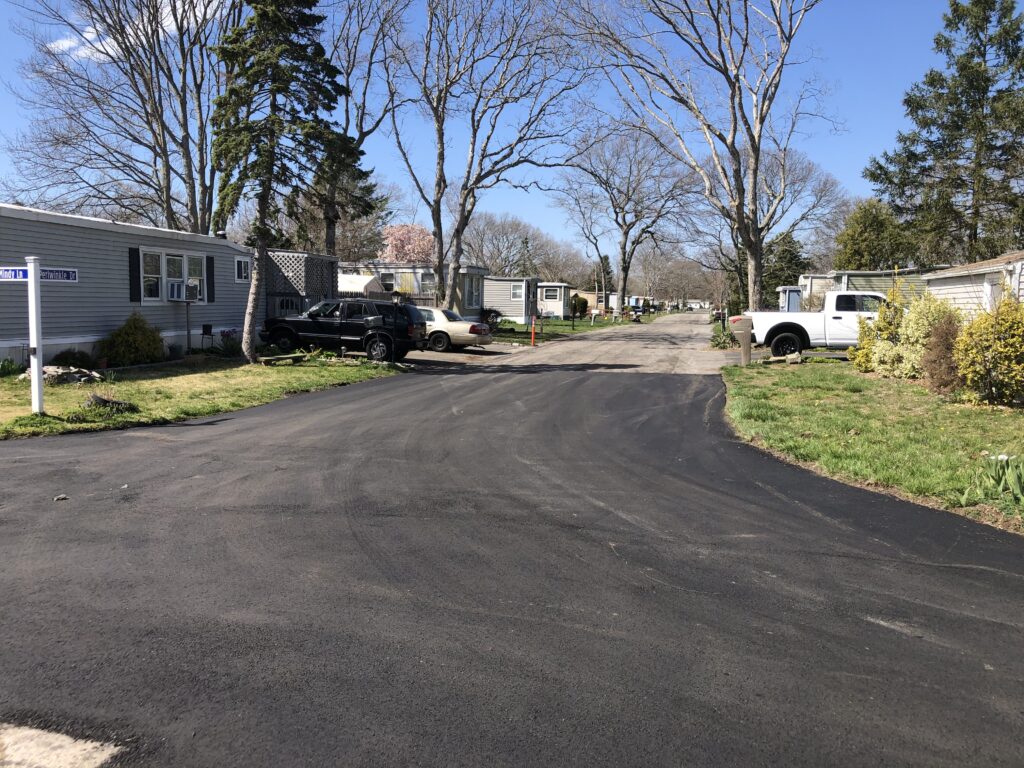
Asphalt parking lots are a popular choice for many businesses and organizations. They are durable, long-lasting, and offer a smooth surface for vehicles to drive and park on.
However, the cost is one of the biggest concerns for those considering an asphalt parking lot. This article will explore the cost of asphalt per square foot for parking lots, including all the factors that influence the price.
Factors that Influence the Cost of Asphalt Parking Lots
Before we dive into the cost of asphalt per square foot, it’s important to understand the factors that can impact the overall price of an asphalt parking lot. For example, these factors include:
1. Size of the parking lot: The larger the parking lot, the more it will cost to install asphalt.
2. Accessibility: If the parking lot is located in a difficult-to-reach area, installing asphalt may be more expensive.
3. Site preparation: The cost of preparing the site for the parking lot, such as removing trees, shrubs, and other obstacles, can add to the overall cost.
4. Drainage: Proper drainage is essential for an asphalt parking lot to prevent standing water. Additional drainage features may increase the cost.
5. Thickness: The Thickness of the asphalt layer can vary depending on the expected use of the parking lot. Thicker layers will cost more.
6. Geographical location: Asphalt costs vary depending on the location, as materials and labor may be more or less expensive in different areas.
Understanding Asphalt Parking Lot Cost:
Paving an asphalt parking lot involves multiple components, including excavation, base preparation, installation, and finishing touches. The cost per square foot varies depending on factors such as the size of the parking lot, geographical location, site conditions, and specific requirements. On average, the cost ranges from $2.00 to $5.00 a square foot.
Additional Costs for Asphalt Parking Lots
In addition to the cost of asphalt per square foot, additional costs may be associated with installing an asphalt parking lot. These costs include:
1. Site Preparation:
Site preparation is an important step in installing an asphalt parking lot. It involves clearing the area of any obstacles, such as trees, shrubs, or existing pavement. The cost of site preparation can vary depending on the size and condition of the area.
2. Drainage:
Proper drainage is crucial for preventing water accumulation on the parking lot surface. Drainage features like catch basins and drain pipes may be necessary to ensure efficient water runoff.
3. Grading:
It refers to the process of leveling the surface of the parking lot area. It ensures a smooth and even base for the asphalt pavement.
4. Striping:
Striping involves marking the parking lot with designated parking spaces, handicap spots, arrows, and other necessary markings. This process is essential for organizing and maximizing parking capacity. The cost of striping is usually estimated on a per-square-footage.
5. Maintenance:
For asphalt parking lots to last longer and remain in good shape, constant care is necessary. Seal coating, crack filling, and periodic resurfacing are examples of maintenance tasks. Additionally, the price of upkeep varies according to the size of the parking lot and the particular maintenance needs. Comparatively, Seal coating can range from $0.20 to $0.50 per square foot, while crack filling may cost between $0.50 and $1.50 per linear foot of crack.
It’s important to note that these additional costs are estimates and can vary depending on factors such as location, labor costs, and specific project requirements.
Minimum and Maximum Costs:
The minimum and maximum cost to replace your asphalt parking lot ranges. Typically you can expect to pay anywhere from $2.00 to $6.00 for asphalt per square foot
Please note that these approximate cost ranges can vary depending on specific project requirements and regional factors. It is advisable to obtain detailed quotes from contractors based on your specific project needs.
Consider Contacting Royal Pavement Solution for Asphalt Parking Lot per Square Foot
When considering the total cost of an asphalt parking lot, it’s essential to factor in these additional costs. Accordingly, they contribute to the investment needed for a functional and long-lasting parking lot. Additionally, consulting with a professional asphalt contractor is recommended to obtain accurate cost estimates based on your specific project needs.
Are you in need of reliable asphalt paving and repair services? Surely look no further than Royal Pavement Solutions! Our team of experienced professionals is dedicated to providing high-quality solutions for all your pavement needs. Whether you require new asphalt installation, repairs, or maintenance, we’ve got you covered.
Contact us today to schedule a consultation call and receive a free estimate for your project. Our experts will assess your requirements and provide personalized solutions tailored to your budget and timeline.
Check Out Our Latest Pave:
To learn more about our offerings and how we can assist with your asphalt paving needs, contact us immediately.
Don’t compromise on the quality of your parking lot or pavement. Trust Royal Pavement Solution for exceptional results and customer satisfaction.


