

How Often Line Striping Should Be Reapplied for Clear Visibility
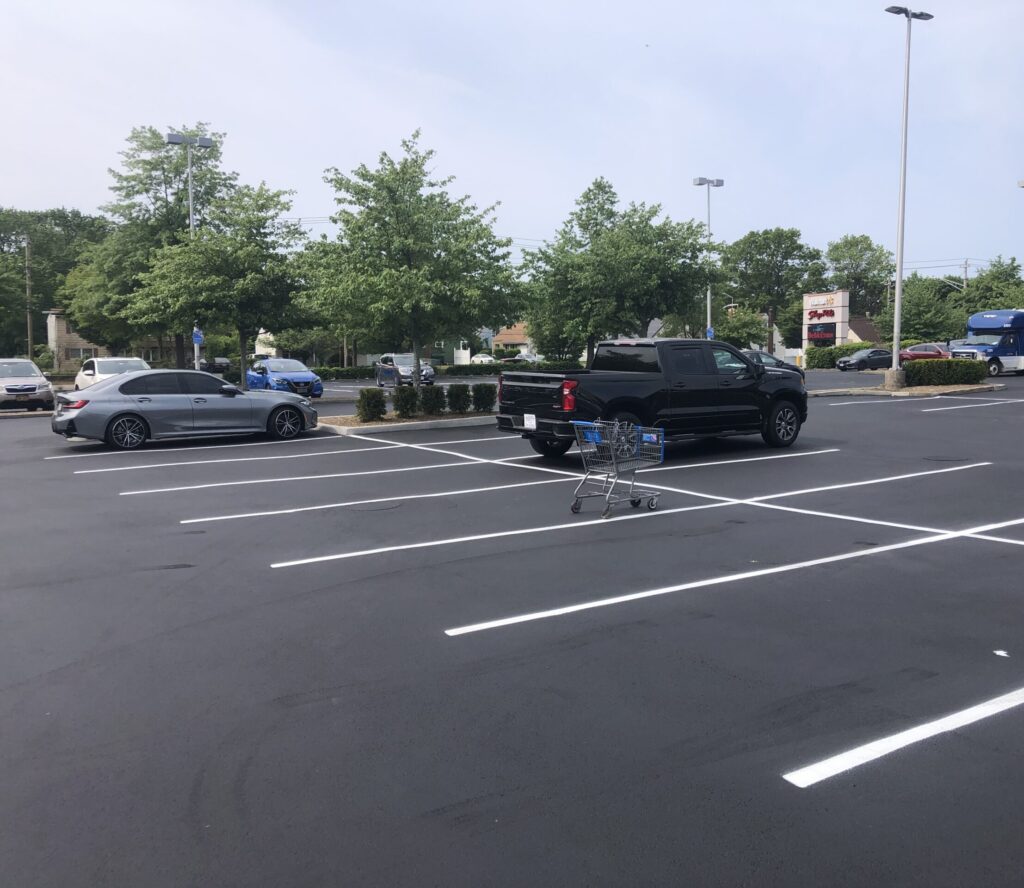 If you manage a commercial property on Long Island, clear pavement markings are not just about appearance. They directly affect traffic flow, ADA access, liability exposure, and inspection outcomes.
Between coastal weather, heavy vehicle volume, and strict New York compliance standards, line striping here fades faster than many property managers expect. Knowing how often to reapply striping helps you plan maintenance proactively instead of reacting to complaints or citations.
Below, we break down what actually controls striping lifespan on Long Island and how to spot the right time to schedule restriping before visibility becomes a problem.
Key Takeaways
- High traffic, coastal weather, and winter maintenance cause striping on Long Island to fade faster than average.
- Material choice and pavement condition strongly influence how often restriping is needed.
- ADA, fire lane, and traffic control markings should remain clearly visible at all times to reduce liability.
- Planning restriping proactively is more cost-effective than reacting to complaints or inspection issues.
Factors That Determine How Frequently Line Striping Needs Reapplication
Several real-world conditions influence how long your pavement markings remain visible and compliant. On Long Island, these factors often overlap, accelerating wear in retail plazas, office parks, and industrial sites from Nassau to Suffolk County.
Traffic Volume and Vehicle Type
High-traffic properties see faster striping degradation. Shopping centers near Sunrise Highway, Route 110, or the Long Island Expressway experience constant braking, turning, and tire friction.
Delivery trucks and box vans, common at warehouses and medical offices, place more stress on paint than passenger vehicles. On lots with daily commercial traffic, restriping is often needed every 9 to 12 months to maintain clear visibility.
Weather Exposure and Seasonal Conditions
Long Island’s climate is tough on pavement markings. Winter freeze-thaw cycles, snowplowing, and road salt break down striping quickly, especially in open parking fields with no wind protection.
Summer UV exposure and coastal humidity near the South Shore also accelerate fading. Properties exposed to full sun and winter maintenance typically need more frequent reapplication than sheltered lots.
Striping Material Used
The type of striping material makes a measurable difference. Standard water-based traffic paint is common for commercial lots due to cost and fast drying times, but it wears faster under heavy use.
Durable options like high-build paint or thermoplastic last longer but come with higher upfront costs. For Long Island commercial sites balancing budget and performance, material selection often dictates whether striping lasts one season or multiple years.
Pavement Surface Condition
Striping adheres best to sound asphalt. Older pavement with oxidation, cracking, or surface raveling causes paint to fail prematurely.
Many Long Island properties built in the 1980s and 1990s have aging lots that have been sealcoated multiple times. Without proper surface prep, even new striping can fade unevenly within months.
Compliance and Regulatory Requirements
Commercial properties must maintain visible markings to meet ADA accessibility guidelines and local safety expectations. Faded crosswalks, fire lanes, or accessible parking symbols can trigger issues during inspections or after an incident.
While New York does not mandate a specific repainting interval, liability standards effectively require markings to remain clearly visible at all times.
Signs It’s Time to Reapply Line Striping and Plan Maintenance
Even without a fixed timeline, your pavement usually signals when restriping is due. Recognizing these indicators early helps you schedule work during favorable weather and avoid rushed repairs.
Fading or Low-Contrast Lines
When striping loses brightness or blends into the asphalt, visibility drops quickly at night or during rain. This is common in Long Island retail lots with overhead lighting glare or shaded sections near buildings. If drivers hesitate or park inconsistently, faded lines are already affecting traffic flow.
Confusing Traffic Flow or Parking Patterns
If tenants or customers regularly misinterpret lane direction, parking stalls, or loading zones, striping clarity is likely compromised.
This is especially risky in mixed-use properties where passenger vehicles and delivery trucks share space. Clear markings reduce bottlenecks and minimize the chance of minor collisions.
ADA Markings No Longer Clearly Defined
Accessible parking spaces, access aisles, and pedestrian paths must remain clearly marked. On many Long Island commercial sites, blue paint and wheelchair symbols fade faster than standard white lines.
Once these markings lose definition, the property may fall out of ADA compliance, increasing legal and financial risk.
Fire Lanes and Safety Zones Losing Visibility
Fire lanes, no-parking zones, and curb markings are critical for emergency access. In office parks and medical facilities across Nassau County, faded red striping can lead to blocked access points. Local fire inspections often flag these areas first, even if the rest of the lot appears acceptable.
Recent Sealcoating or Pavement Repairs
Any time a lot is sealcoated or patched, striping must be reapplied. Fresh sealcoat temporarily darkens the surface, making old markings nearly invisible. On Long Island, sealcoating is typically done in late spring through early fall, making it the ideal window to coordinate restriping immediately after.
Schedule Proactive Line Striping Maintenance
Waiting until markings disappear completely creates safety risks and operational headaches. At Royal Pavement Solutions, we help Long Island commercial property managers plan restriping around traffic patterns, seasonal weather, and compliance needs.
If your lot is showing signs of wear or you are budgeting for the upcoming season, contact us to schedule a site evaluation and maintenance plan that keeps your property clear, compliant, and professional.
Frequently Asked Questions
How often do commercial properties on Long Island typically restripe their parking lots?
Most commercial properties restripe every 9 to 18 months, depending on traffic volume, exposure, and material used. High-traffic retail and medical sites often fall closer to the annual range, while lower-use office parks may extend slightly longer with proper maintenance.
Can line striping be done at night or after business hours?
Yes, scheduling after-hours work is common for Long Island commercial sites. Coordinating off-peak striping minimizes disruption to tenants and customers and allows faster curing times during warmer months.
What standards apply to accessible parking striping in New York?
Accessible markings must follow ADA guidelines for size, color, and placement. While enforcement is federal, local inspections often reference these standards, making clear, well-maintained markings essential for compliance.
Does restriping require permits or approvals?
In most cases, restriping within an existing lot layout does not require permits. However, layout changes, fire lane modifications, or reconfiguration near public access points may require coordination with local municipalities or fire authorities.
How to Plan Asphalt Paving for Multi-Building Commercial Properties
 Managing asphalt paving across a multi-building commercial property on Long Island is rarely simple. You are dealing with multiple parking fields, shared access roads, tenant traffic, local codes, and weather patterns that can shorten paving seasons if you are not careful. Without a clear plan, costs creep up, schedules slip, and performance suffers.
The goal is not just new asphalt, but a coordinated, compliant surface that holds up to Long Island traffic, salt, and freeze-thaw cycles.
Below, we walk through how we plan these projects so property managers and asset owners can make informed decisions.
Key Takeaways
- Multi-building commercial paving requires a detailed inventory and condition assessment to avoid wasted spending.
- Long Island traffic patterns, climate, and local codes directly influence planning and execution decisions.
- Phased work and multi-year budgeting help maintain operations and control capital expenses.
- Proper materials and post-project maintenance planning are essential for long-term pavement performance.
Site Inventory and Pavement Assessment
The first step is understanding exactly what you own and what condition it is in.
On Long Island, many office parks along corridors like Route 110 or Sunrise Highway have lots built in phases over decades, often with different base depths and drainage designs. We inventory each building’s parking areas, access drives, loading zones, and fire lanes, then evaluate surface distress, base failure, and drainage performance.
This matters because treating everything the same leads to wasted spend on areas that only need surface work while ignoring structural failures that will reappear within a year or two.
Traffic Flow and Access Mapping
Multi-building sites rely on uninterrupted access for tenants, deliveries, and emergency services. We map daily traffic patterns, peak hours, and critical access points, including shared entrances connected to Nassau or Suffolk County roadways.
Understanding how trucks, employee vehicles, and customer traffic move allows us to plan paving sequences that maintain ADA access and fire code compliance. This step prevents last-minute shutdowns that disrupt tenants and create liability exposure.
Local Code and Compliance Review
Commercial paving on Long Island must align with multiple layers of regulation. We review ADA slope and striping requirements, local fire lane markings, and any municipal standards tied to the Town of Hempstead, Town of Brookhaven, or other jurisdictions.
In some cases, stormwater requirements linked to NYSDEC guidelines affect how surfaces are reconstructed or milled. Addressing compliance upfront avoids failed inspections and costly rework after paving is complete.
Drainage and Utility Coordination
Older commercial properties often have aging drainage structures and shallow utilities beneath asphalt surfaces. Before finalizing paving plans, we identify catch basins, trench drains, and utility access points, coordinating with local utility providers where needed.
On Long Island, poor drainage accelerates pavement failure due to standing water and winter icing. Planning adjustments or repairs alongside paving protects the investment and reduces future maintenance costs.
Scheduling Around Seasonal Constraints
Asphalt paving in Long Island is heavily influenced by temperature and weather. Spring and fall offer the most consistent conditions, while summer heat can require adjusted mix designs and winter shuts projects down entirely. We build schedules that align with these realities and factor in tenant activity cycles, such as retail peak seasons or office occupancy patterns. Proper scheduling keeps crews efficient and ensures asphalt cures as designed.
Coordinating Budget, Phasing, and Professional Execution for Long-Term Performance
Once the overall scope is defined, the success of a multi-building asphalt project comes down to the following:
Establish A Multi-Year Budget Strategy
Rather than tackling all buildings at once, many commercial owners benefit from a multi-year paving plan. We help establish budget ranges based on square footage, pavement condition, and access complexity, with clear distinctions between full-depth reconstruction, milling and paving, and surface treatments.
On Long Island, this approach allows owners to spread capital expenses while addressing the highest-risk areas first, especially those exposed to heavy truck traffic or salt loading.
Phase Work To Maintain Operations
Phasing is critical on active commercial sites.
We break projects into logical zones so tenants, customers, and service vehicles always have safe access. This is especially important in medical complexes, industrial parks, and retail centers common throughout Nassau and Suffolk Counties.
Thoughtful phasing reduces downtime, limits liability, and keeps your property functional throughout the project.
Select Materials for Local Conditions
Not all asphalt mixes perform the same in Long Island’s climate. We specify materials designed to handle freeze-thaw cycles, coastal humidity, and deicing chemicals.
Choosing the right base thickness, binder course, and surface mix directly impacts longevity. These decisions are tied to traffic loads and site usage, not just upfront cost, ensuring better lifecycle value.
Coordinate Striping, Signage, and Safety Features
Paving is only part of the finished product.
We coordinate striping, ADA-compliant spaces, directional arrows, and fire lane markings as part of the execution plan. For multi-building properties, consistency across the site improves traffic flow and reduces confusion.
On Long Island, clear markings are also essential for snow management contractors who rely on striping to plow efficiently without damaging curbs or structures.
Document Post-Project and Maintenance Planning
After paving is complete, we provide documentation outlining what was installed, where, and when. This includes recommended maintenance timelines such as sealcoating and crack repair intervals. For commercial owners managing multiple buildings, this record becomes a valuable asset for budgeting, inspections, and future capital planning.
Proactive maintenance extends pavement life and reduces emergency repairs.
Plan Your Multi-Building Asphalt Project With Confidence
Coordinating asphalt paving across multiple commercial buildings requires more than lining up a contractor and picking a date. It takes planning, phasing, and a clear understanding of Long Island conditions and regulations.
At Royal Pavement Solutions, we help commercial property owners and managers develop structured paving plans that protect operations and maximize long-term performance.
If you are preparing for an upcoming paving cycle or need a second opinion on an existing plan, contact us for the next steps.
Frequently Asked Questions
How far in advance should we plan asphalt paving for a multi-building site on Long Island?
Planning typically starts six to twelve months ahead, allowing time for assessments, budgeting, tenant coordination, and alignment with the local paving season when temperatures meet asphalt installation standards.
Can paving be phased without disrupting tenant access?
Yes, when traffic flow and access points are mapped in advance, work can be phased to keep entrances, fire lanes, and ADA routes open, even on dense commercial properties.
What permits or inspections are usually required for commercial paving?
Requirements vary by municipality, but projects may involve local town approvals, ADA compliance reviews, and coordination with fire inspectors, especially when fire lanes or access roads are affected.
How do we protect new asphalt after the project is complete?
Protecting new pavement involves controlling heavy loads during the initial cure period and following a maintenance plan that includes crack sealing and sealcoating at intervals suited to Long Island conditions.
Ready To Act: What To Do Before You Book Your Commercial Asphalt Repair
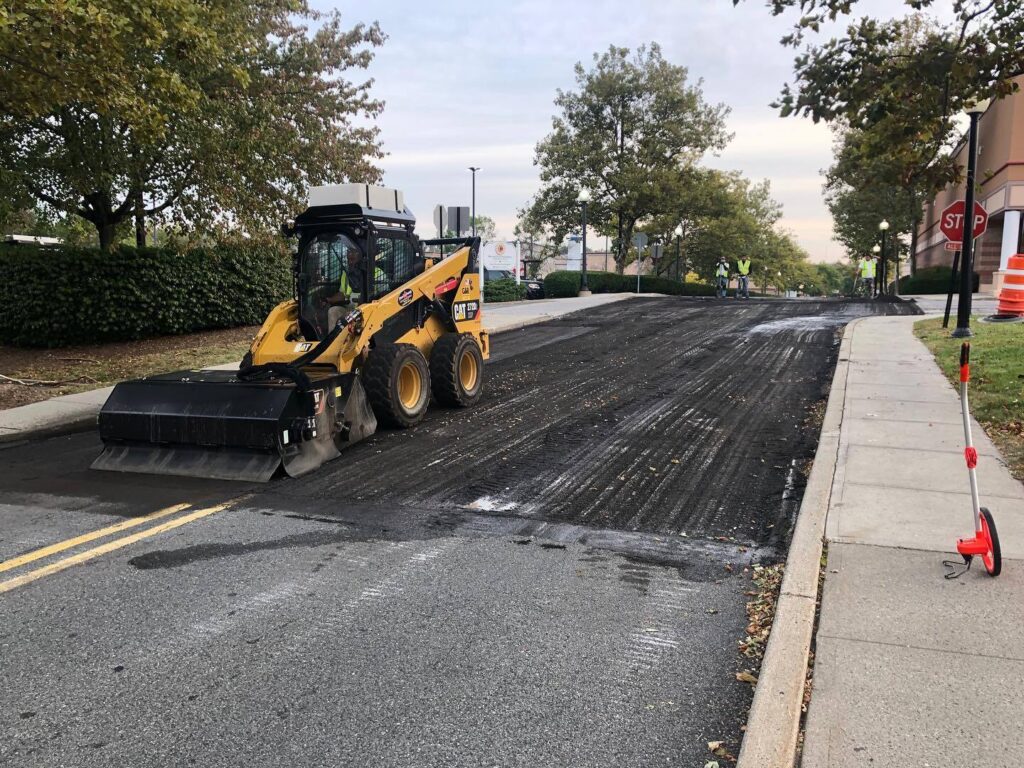
Property managers across Long Island see the same pattern every spring. Cracks spread after the freeze-thaw cycles around Hauppauge, and heavy delivery traffic near industrial parks in Ronkonkoma speeds up asphalt wear. The good news is that a little prep goes a long way before you schedule commercial asphalt repair.
The key is knowing what to look for and how to plan your scope so the work meets your operational needs. This guide walks you through the steps we encourage every facility manager to take before reaching out.
Key Takeaways
- Early pavement assessment prevents avoidable repair costs.
- Traffic and drainage patterns on Long Island shape repair choices.
- Clear goals and budgets make planning fast and accurate.
- Commercial sites benefit from long-term pavement strategies.
Inspect Surface Damage
Surface damage usually shows up first on commercial lots with steady truck traffic, especially near loading docks around Farmingdale or Melville. We look at cracking, raveling, and worn striping to understand how water and weight are stressing the pavement.
A light sweep across the lot helps reveal loose aggregate that signals early breakdown. A property manager walking a typical retail center near Sunrise Highway can spot these signs in minutes. A quick review like this gives you a baseline of what needs attention.
Identify Drainage Failures
Drainage problems often start near catch basins, curbs, or areas that slope toward building entrances. Standing water is common after storms on Long Island’s south shore, especially around Freeport and Massapequa, where tidal influence lingers after heavy rain.
Water that doesn’t move off the surface finds its way into cracks and speeds up failure.
A simple check after rainfall helps confirm whether puddles form in the same spots. When drainage is noted early, repair choices become more targeted.
Document Traffic Patterns
Traffic flow affects wear more than most managers realize, especially at busy distribution hubs off the Long Island Expressway. Delivery trucks, school buses, and sanitation vehicles concentrate pressure on turning zones and narrow drives.
We usually ask facility teams to note peak times and heavy vehicle paths before repairs are scheduled. A logistics center in Holtsville, for example, often sees early degradation at gate entrances where vehicles brake and turn.
A mapped pattern helps guide the right repair solutions.
Flag Safety and Liability Risks
Safety concerns tend to appear at pedestrian routes near office complexes, medical buildings, and shopping centers. Raised edges from failed patches or wide cracks can create tripping hazards for staff and customers.
We encourage property managers around Garden City and Mineola to walk the main walkways and ADA paths to confirm grades and transitions. Small issues can carry big liability if ignored on a commercial site.
Calling these out early helps ensure repairs protect both people and operations.
Capture Photos and Notes
Clear documentation gives us a starting point before we visit your site. Photos of deteriorated lanes, loading areas, and high-traffic zones help us prioritize work.
We tell managers across Nassau and Suffolk Counties to include morning and late-day shots since shadows reveal different imperfections. A healthcare campus in Stony Brook, for example, benefits from photos taken at various times due to shifting foot traffic.
Organized notes and images make consultations smoother and faster.
Align Your Repair Goals and Budget Before Scheduling
This planning step ensures your repairs support operations, compliance, and long-term costs.
Set Operational Priorities
Operational needs drive repair timing, especially for commercial sites that cannot afford downtime. Retail centers in Riverhead often plan work around weekend traffic, while manufacturing facilities in Deer Park coordinate around shift changes.
Clear priorities help determine whether work must be phased or done during off-hours.
When these needs are known up front, repair plans stay efficient. Setting priorities also helps avoid disruptions to tenants and customers.
Define Your Repair Tolerance
Repair tolerance describes how extensive the fix should be based on the remaining pavement life. Lots near coastal areas like Long Beach face more salt exposure, which accelerates wear.
Some properties want to extend pavement life for a year or two, while others want a long-term resurfacing option. Understanding tolerance helps match expectations with feasible solutions.
This clarity prevents undersized repairs that fail too soon.
Establish a Realistic Budget Range
Budgets vary depending on parking lot size, access, and local regulations.
Commercial sites near downtown Huntington see higher costs due to tighter work windows and coordination requirements. A safe estimate for patching or milling in Long Island typically falls within a broad range, but site conditions refine that number quickly.
Local utility coordination, stormwater rules, and material availability also influence pricing. Setting a range keeps planning discussions grounded.
Prioritize Compliance Needs
Compliance matters for municipal inspections and property insurance. ADA requirements around walkways and ramps are common triggers for repair work. Office parks in Lake Success often review grade transitions before annual inspections.
Catch basin adjustments must follow local stormwater rules tied to Suffolk County and Nassau County standards. Putting compliance at the top ensures pavement repairs pass inspections without rework.
Plan for Long-Term Pavement Life
Long-term planning helps avoid repeated service calls.
Properties in areas with heavy winter sanding, like those near Smithtown and Commack, benefit from thicker overlays or structural repairs. When managers plan for future expansion or traffic changes, repair choices become more strategic.
A distribution center expecting higher volume in the next three years might invest in deeper base repairs now. This mindset saves time and money over the life of the pavement.
Start Your Pre-Repair Prep Today
Your asphalt holds up better when planning starts early. Commercial sites across Long Island deal with coastal weather, freeze-thaw cycles, and heavy traffic that accelerate wear, and preparation makes every repair more effective.
At Royal Pavement Solutions, we help property managers turn early observations into a clear, budget-ready repair plan. We walk your site, confirm your notes, and recommend the right approach for your operation. Reach out today to schedule service or request a quote so your pavement stays safe, compliant, and ready for the season.
Frequently Asked Questions
How do I know if surface cracking on my commercial lot needs repair soon?
Minor cracking spreads quickly in Long Island’s freeze-thaw cycles, so our team checks depth, pattern, and water intrusion before recommending repairs.
Can commercial asphalt repairs be phased to avoid disrupting my tenants?
Projects are often phased by zone, especially at retail centers or medical facilities, and our crews schedule work around peak traffic and access needs.
What should I prepare before a site visit for a large industrial property?
Photos, traffic notes, and access details help us evaluate areas around loading docks, perimeter roads, and trailer parking that usually see the most stress.
Do local codes affect commercial asphalt repairs in Nassau and Suffolk Counties?
Local stormwater rules, ADA transitions, and catch basin requirements shape repair plans, and our team aligns the work with those standards to keep properties compliant.
When Do You Need an Asphalt Rip Out and Replace?
 Homeowners and property managers across Long Island know that our driveways and parking lots take a beating. Between the freezing winters, salty sea air, and humid summers, asphalt surfaces here wear down faster than in most parts of the country.
The question many people in Suffolk and Nassau counties ask us at Royal Pavement Solutions is: “Do I just need a simple overlay—or is it time for a full rip out and replace?”
A full rip out and replace isn’t something you want to do too early, but waiting too long can lead to deeper structural problems and higher repair costs.
Key Takeaways
- Long Island driveways face wear from weather, salt, and age, often leading to the need for full replacement.
- Deep cracks, potholes, poor drainage, and fading color show that the base layer is no longer stable.
- A proper replacement includes removing old asphalt, rebuilding the base, fixing drainage, and applying a durable new mix.
- Royal Pavement Solutions offers reliable asphalt replacements across Nassau and Suffolk counties with lasting strength and smooth results.
Signs Your Asphalt Driveway Needs a Full Rip Out and Replace
Let’s look at the real-world signs that it’s time for this service and what to expect from professionals when you decide to move forward.
Severe Alligator Cracking
Alligator cracking—those deep, interconnected cracks that resemble reptile scales—often means the base layer of your driveway has failed.
On Long Island, we see this a lot in areas like Ronkonkoma and North Lindenhurst, where driveways sit on older sub-bases that have settled unevenly over the decades. Patching over these cracks won’t hold for long, especially after a few freeze-thaw cycles. A full rip out and replace is the only way to rebuild the foundation and restore proper drainage.
Widespread Potholes
A few small potholes can be repaired, but when they’re popping up all over your driveway in places like Massapequa Park or Smithtown, it’s usually a sign that water has penetrated through to the sub-base. The salty runoff from winter road treatments accelerates this damage.
Overlays won’t fix the underlying moisture problem.
A full tear-out allows your contractor to regrade, recompact, and install a new, stable base that keeps potholes from returning.
Drainage Problems After Heavy Rain
If you notice standing water after a rainstorm—especially near curbs or the center of the driveway—it often means your asphalt surface has lost its slope. In coastal neighborhoods like Bay Shore and Merrick, where groundwater levels are high, drainage issues can cause severe sub-base deterioration.
A full replacement lets professionals correct the grading so water runs off properly instead of pooling and seeping into the pavement layers.
Large Areas of Asphalt Heaving or Sinkage
Heaving in winter and sinking in summer are common signs of base instability caused by Long Island’s fluctuating freeze-thaw cycles. In older developments like Levittown or Huntington Station, shifting soils and poor compaction from the original installation can cause these problems.
Once the base has shifted significantly, only a full rip out and replacement can reestablish a level surface that won’t move with the seasons.
Visible Oxidation and Surface Erosion
After 15–20 years, even well-maintained driveways around places like Garden City or Stony Brook start to lose their deep black color. That gray, brittle surface means the asphalt binder has oxidized from UV exposure and salt.
Once erosion exposes the aggregate, and fine cracks start spreading everywhere, sealcoating won’t help anymore. At that point, the pavement has lost its flexibility, making a full replacement the most cost-effective long-term solution.
What to Expect From a Professional Rip Out and Replace
Complete Removal of Old Asphalt
A proper rip out and replace starts with the full removal of your existing asphalt layer. We use heavy-duty equipment designed for tight spaces, whether it’s a residential driveway in Setauket or a commercial lot in Farmingdale.
The old material is typically hauled to a local recycling facility, where it’s processed for reuse in new mixes, keeping the project environmentally responsible and compliant with New York State Department of Environmental Conservation (DEC) guidelines.
Sub-Base Evaluation and Reconstruction
Once the surface is removed, the base layer is carefully inspected. In many Long Island properties—especially those near sandy soils like in Montauk or Long Beach—this step is crucial. We test for compaction and moisture retention, then rebuild the base using crushed stone or recycled aggregate to create a solid, stable foundation.
This ensures your new pavement resists shifting and cracking in changing coastal conditions.
Regrading for Proper Drainage
Poor drainage is one of the top reasons asphalt fails prematurely here. During replacement, we carefully grade the area to promote runoff toward drains or swales, which is especially important in low-lying communities like Babylon or Freeport.
This prevents water from seeping beneath the asphalt, reducing freeze-thaw damage and extending the pavement’s life.
Installation of High-Quality Asphalt Mix
For Long Island’s weather, we typically recommend a hot-mix asphalt that meets New York State Department of Transportation (NYSDOT) standards for durability and temperature flexibility. This mix stands up better to salt, UV rays, and constant vehicle traffic.
The final surface is compacted with precision rollers to achieve the right density, ensuring a smooth, long-lasting finish that can handle everything from delivery trucks to snow plows.
Finishing Touches and Clean-Up
A professional crew doesn’t just lay the asphalt and leave. We take the time to clean up, apply joint sealer where needed, and ensure edges meet neatly with concrete curbs or walkways.
Homeowners in areas like Port Jefferson or West Islip appreciate that final polish.
It’s what turns a solid job into a professional one. You’ll also receive care recommendations for the first few weeks, including when it’s safe to park on the surface and how to maintain it seasonally.
Give Your Driveway a Fresh Start
At Royal Pavement Solutions, we specialize in full asphalt rip-outs and replacements across Nassau and Suffolk counties. We rebuild driveways and parking lots from the ground up, using durable materials designed for Long Island’s coastal climate. Our team handles every detail—from grading to paving—to ensure a strong, smooth surface that lasts for decades.
If you’re ready to stop repairing and start fresh, contact us today for a free on-site evaluation. We’ll assess your current pavement, explain your options clearly, and help you get a driveway that looks great and performs even better.
Frequently Asked Questions
How long does a full asphalt rip-out and replace usually take?
Most residential projects take about two to three days, depending on size, weather, and base condition. Commercial lots can take up to a week with grading, compaction, and final curing included.
Can a new asphalt driveway be installed during colder months?
Yes, it can, but careful planning is needed. Colder temperatures require adjusted mixes and precise timing to ensure proper compaction and bonding for long-term performance on Long Island surfaces.
How can I extend the life of my new asphalt surface?
Routine sealcoating every few years, cleaning oil stains, and keeping the edges supported with proper grading help preserve appearance and prevent premature cracking or water-related damage.
Do I need permits for a driveway replacement on Long Island?
Most towns require permits for driveway work. We help coordinate with local building departments to ensure compliance with Nassau and Suffolk County codes before starting any replacement project.
Should You Buy Land Before Hiring a New Construction Builder?
 Building a custom home on Long Island is a dream for many, but the order of operations—buying land first or hiring a builder first—can impact your project’s timeline, budget, and even your ability to build in certain areas.
At Royal Pavement Solutions, we work with homeowners and contractors across Nassau and Suffolk counties, so we’ve seen firsthand how important this decision is when planning any construction project from the ground up.
The truth is, there’s no one-size-fits-all answer.
Let’s break down when it’s smart to buy land first, how to navigate that process locally, and what to watch for so your project starts on solid ground.
Key Takeaways
- The order of buying land or hiring a builder depends on your goals, budget, and location on Long Island.
- High-demand areas, zoning limits, and inherited lots are all reasons to secure land before choosing a builder.
- Every parcel needs site prep like grading, drainage, or utility access before construction work can safely begin.
- Royal Pavement Solutions helps Long Island property owners get land build-ready with expert driveway and concrete site prep.
Signs You Should Secure Land Before Choosing a Builder in Long Island
Depending on where and what you’re planning to build on Long Island, buying land before hiring a builder can sometimes save you time, money, and frustration. That’s especially true in tight markets or when zoning and property features are a bigger factor than the floor plan.
Here are a few signs that locking in your land first is the right call.
You’re Looking to Build in High-Demand Areas Like the Hamptons or North Shore
If you’re aiming to build in competitive markets like East Hampton, Montauk, or even Old Westbury, securing land early is almost a necessity.
Lots in these areas are rare and often sell quickly, sometimes before they’re even officially listed. Builders can help you design a home for the space later, but if you wait too long to find a builder first, you might miss your shot at owning land in your preferred neighborhood.
In these high-demand pockets of Long Island, location often drives the entire project—and available parcels don’t sit around for long.
You Already Have a Strong Vision for Your Future Home
When you already know you want a certain lot size, view, or privacy level—maybe something tucked off a wooded backroad in Smithtown or with bay access in Sayville—it often makes sense to lead with the land. Having the space first lets you bring on a builder later who can design around the specific features and constraints of your property.
We’ve worked on plenty of new construction driveways in Suffolk County where homeowners prioritized wooded seclusion or waterfrontage first, then brought in a team to make their vision come to life.
You Want Control Over Zoning and Permitting from Day One
Zoning laws in Long Island towns can vary dramatically. A buildable lot in Huntington might have completely different setback, height, or lot coverage rules than one in Babylon.
If you secure the land first, you and your team can immediately start working with the local building department—like the Town of Islip Planning Division or the Nassau County Department of Public Works—to ensure your dream home complies with local codes.
Waiting to involve a builder first could delay this crucial research and limit your options later.
You’re Purchasing Land Through a Private Sale or Inheritance
Sometimes, land comes to you before you even start planning to build.
If you’ve inherited family property in places like Ronkonkoma or a friend offers you a deal on a private parcel in Farmingdale, it makes sense to lock in the deal before worrying about the construction team.
In these cases, you’re not actively looking for land—it’s falling into your lap—so securing the property first gives you the flexibility to take your time selecting the right builder.
You’re Planning a Multi-Phase Build or Outdoor-Focused Property
If your long-term plan includes not just a house but also large-scale exterior features—like a detached garage, tennis court, or extensive concrete driveway—owning the land upfront is crucial. This is especially true in areas like Manorville or Westhampton, where homeowners often opt for sprawling, multi-acre properties.
Getting the land first allows your future builder to develop a master plan that integrates the house and outdoor elements cohesively.
As a paving company, we often come in on Phase Two or Three, and it always runs smoother when the property boundaries and layouts are considered from day one.
How to Approach Land and Builder Decisions in Long Island
Buying land and hiring a builder on Long Island aren’t decisions you should make in isolation. Here’s how to approach the process wisely, based on what we’ve seen working with clients across Nassau and Suffolk counties.
Start by Understanding Local Zoning Restrictions and Utility Access
Before you buy any piece of land—from a wooded lot in Mastic to an open parcel in Hicksville—check with the local town’s building department. Each Long Island municipality has its own zoning laws that control what can be built, how big it can be, and where it can sit on the lot.
On top of that, some properties—especially in eastern Suffolk—may lack easy access to water, sewer, or electric lines.
If you’re not accounting for these issues up front, they can lead to costly surprises down the line. Getting a zoning and utility review before buying gives you a much clearer idea of what building on the lot will really cost.
Consult with a Builder or Construction Professional Before Finalizing Land Purchase
Even if you want to lead with land, having a builder or contractor on standby during the land-buying process is smart. We often consult on projects where our input helps flag grading problems, drainage issues, or poor driveway access—especially in sloped areas like Port Jefferson or Sound Beach.
A contractor’s eye can catch things your real estate agent might miss.
Some parcels might look good on paper but pose major construction challenges. Having a builder give input before you close can save you thousands and months of headaches later.
Work With a Real Estate Agent Who Specializes in Buildable Land
Not every real estate agent understands the intricacies of buildable land, especially in niche markets like Shelter Island or Massapequa Park. Find someone who knows the zoning, soil conditions, flood zones, and resale values for new construction in your target area.
Experienced agents will also be aware of off-market listings or estate sales where vacant lots might be available. In places where land is scarce, like Garden City or Wantagh, having the right agent can make the difference between finding a workable lot and settling for a compromise.
Budget for Site Prep, Not Just the Land Itself
Buying land in Long Island doesn’t mean it’s ready for a foundation tomorrow. Depending on where the parcel is, you may need to clear trees, remove old septic tanks, grade the terrain, or pour concrete for access roads.
In areas like Ridge or Eastport, heavily wooded lots often need significant prep before a builder can begin. That’s where teams like ours come in—handling excavation, drainage, and driveway prep so the project gets off to a clean, build-ready start.
When budgeting, plan not just for the cost of the land but also the investment required to make it buildable.
Finalize Permits and Variances Before Breaking Ground
Once you’ve bought land and selected your builder, the next step is ensuring your plans are actually legal. This often involves working with the Town of Oyster Bay, Brookhaven, or other local permit offices to secure building permits and sometimes variances. Setbacks, easements, and environmental protections (especially near wetlands or the shoreline) can complicate builds.
We’ve seen projects delayed for months due to overlooked wetlands in Bayport or Pine Barrens restrictions in Yaphank. Your builder should guide this process, but getting started early keeps the project moving smoothly.
Let’s Get Your Property Build-Ready
At Royal Pavement Solutions, we help Long Island property owners get their sites build-ready the right way—handling grading, drainage, driveways, and concrete work across Nassau and Suffolk counties. From rocky parcels in Wading River to tight urban lots near Mineola, we’ve prepped land for all types of new construction.
Don’t let land issues delay your build.
Contact us today to schedule a consultation or request a site prep estimate.
Frequently Asked Questions
Can I build on a narrow or irregularly shaped lot on Long Island?
Yes, but the design and layout must follow local setback rules. We help create custom access points and concrete solutions for challenging lot shapes that standard layouts or driveways won’t easily accommodate.
How early should I plan for driveway and site access during a new build?
Driveway planning should happen before construction begins. We work with builders and homeowners to install temporary or permanent access solutions that support equipment entry, staging areas, and future concrete or asphalt driveways.
Who handles concrete work like walkways or parking areas during new home construction?
Not all builders handle flatwork. We partner with homeowners and general contractors to pour concrete driveways, walkways, patios, and parking areas that meet design goals and Long Island climate durability standards.
What if my property has drainage issues before construction starts?
Standing water or poor drainage can delay your build. We offer grading and water redirection services to help stabilize the land, protect foundations, and ensure your site is ready for safe construction.
What Property Managers Look for in Parking Lot Sealcoating Services
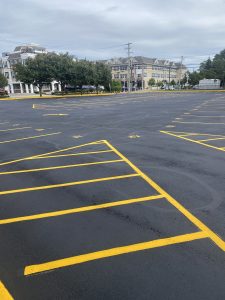 For property managers on Long Island, a well-maintained parking lot is more than just curb appeal—it’s a reflection of how a property is managed and how tenants, customers, or visitors feel when they arrive. From Roosevelt Field Mall in Garden City to commercial centers along Jericho Turnpike and Montauk Highway, deteriorating asphalt is a fast way to lose business or complaints from tenants.
That’s why sealcoating is a vital part of long-term property value and liability protection. But not all sealcoating services are equal.
Experienced property managers know what to look for, and here on Long Island, these are what matter most.
Key Takeaways
- Property managers on Long Island look for sealcoating crews who show up on time and communicate clearly.
- Local climate, traffic, and regulations make Long Island asphalt maintenance different from other areas and require special care.
- Early signs like cracks or puddles mean it’s time to seal, stripe, and fix drainage before damage spreads.
- Royal Pavement Solutions helps managers plan with sealcoating that lasts and maintenance that fits their property schedule.
Professionalism and Accountability on the Job Site
Property managers in Nassau and Suffolk counties need contractors who show up on time, communicate clearly, and work within tight operational windows.
Whether it’s coordinating with stores in Bay Shore’s South Shore Mall or limiting disruption near busy office complexes in Melville, professionalism is key.
Managers look for crews that are uniformed, licensed, and insured—not just for peace of mind, but because tenants expect it. A contractor who provides clear estimates, detailed timelines, and follows up post-job earns trust quickly in this market.
Knowledge of Long Island’s Asphalt Wear Patterns
Sealcoating in Long Island isn’t the same as sealcoating in upstate New York or even parts of New Jersey. The freeze-thaw cycles, especially around Port Jefferson and East Setauket, take a toll on asphalt—cracking and oxidation happen fast in lots that aren’t properly maintained.
Property managers prefer working with contractors who understand these local climate pressures and apply the right materials and methods, like coal tar or asphalt emulsion sealers tailored to the region’s specific temperature swings and salting patterns.
Familiarity with Local Property Types and Regulations
Different properties require different approaches.
A commercial strip mall in Massapequa isn’t maintained the same way as a residential HOA in Huntington or a hospital parking lot in Stony Brook.
Many Long Island municipalities, including the Town of Hempstead and Brookhaven, have guidelines around water runoff, ADA striping, and even working hours.
Property managers appreciate contractors who are already familiar with these codes and can help ensure compliance—because red tape and retroactive fixes are headaches no one wants.
A Focus on Longevity, Not Just Looks
It’s not enough to make the lot look black and shiny for a week. Managers want sealing jobs that last through multiple seasons, especially in high-traffic areas like the bustling Route 110 corridor in Farmingdale or commuter-heavy train station lots like Ronkonkoma.
Property managers tend to prioritize contractors who use high-quality materials and prep thoroughly—crack filling, edge trimming, and oil spot priming.
This proactive approach helps delay major resurfacing and minimizes long-term costs.
Flexibility with Scheduling and Traffic Control
Sealcoating often requires shutting down access to key parts of a property, which is tricky when you’re managing a medical office near Mineola or a retail plaza in Patchogue.
Property managers need contractors who can schedule off-hours work—overnights or weekends—and provide full traffic control support. This includes cones, flaggers, and signage to keep customers and tenants safe and informed.
A flexible crew that works around tenant needs builds long-term relationships with managers.
Transparent Pricing Without Surprises
Long Island property budgets are already tight. Between taxes, insurance, and maintenance, unexpected costs are a nonstarter for most managers. That’s why they value clear, line-item estimates that account for prep, sealing, striping, and any potential patching.
Whether it’s a 50-space lot in Rockville Centre or a 300-space garage in Riverhead, price transparency builds confidence.
Many managers won’t even consider a contractor who can’t explain their pricing structure in simple, local terms.
What to Take When You See Signs Your Lot Needs Sealcoating
When property managers notice early signs of wear—like surface graying, spider cracks, or fading lines—it’s time to act before the damage spreads.
Here’s what we recommend, based on decades of local experience.
Schedule a Professional Walkthrough
Don’t just rely on a drive-by glance.
Whether your lot is near Roosevelt Field or tucked behind a medical complex in Smithtown, walking the property with a sealcoating contractor helps identify small cracks, low spots, or oil damage that may not be visible from a distance.
We often catch early warning signs that can be corrected before they escalate into major resurfacing projects.
Address Drainage Issues Immediately
Puddling after rain—especially around the edges or in traffic lanes—is a red flag.
In low-lying areas like Freeport or Lindenhurst, poor drainage accelerates asphalt breakdown and crack formation.
A professional can recommend regrading, adding drains, or sealing around utility covers to prevent water intrusion, which is one of the biggest threats to asphalt on Long Island.
Fill Cracks Before Sealing
Sealcoating without crack filling is like painting over rust—it looks better, but the problem stays. In areas with frequent freeze-thaw swings, like Syosset or East Northport, cracks must be routed and filled with hot rubberized material before any sealant is applied.
Ignoring this step means the cracks will reappear and grow within a few months.
Re-Stripe for Visibility and ADA Compliance
Faded lines affect traffic flow and safety. We often see lots in older towns like Greenport or North Babylon where ADA spaces have faded or no longer meet code.
After sealcoating, re-striping ensures compliance and keeps pedestrians and drivers safe, especially in lots shared by both cars and delivery vehicles.
Coordinate a Maintenance Plan
Once the lot is sealed, it’s smart to set a timeline for routine inspections and future reapplications. Managers overseeing multiple properties—from Levittown to the Hamptons—benefit from having a rolling maintenance plan.
This keeps each property on a predictable schedule and helps forecast future costs without last-minute scrambling.
Keep Your Parking Lot Safe and Strong for the Long Haul
Property managers across Long Island are under constant pressure to deliver clean, functional, and safe spaces—all while staying within budget and minimizing tenant disruption.
Parking lot maintenance plays a huge role in that balance.
At Royal Pavement Solutions, we understand what local managers really need because we’ve worked with commercial, industrial, and residential properties from Riverhead to Rockville Centre.
Whether it’s scheduling sealcoating overnight to avoid traffic issues, choosing the right material for Long Island’s climate, or helping you stay ahead of small asphalt repairs before they become major expenses—we’ve got you covered.
Call us today or request a quote and see why Long Island property managers trust us to keep their lots in top shape.
Frequently Asked Questions
How long after sealcoating can vehicles safely use the parking lot?
Most parking lots can reopen to traffic within 24 to 48 hours. We schedule jobs to avoid disruption and ensure your surface cures properly for long-term performance and safety.
Can sealcoating be scheduled for multiple properties under one service agreement?
Yes, we offer coordinated maintenance plans for property managers with multiple locations. This streamlines scheduling, reduces costs, and keeps all your Long Island lots on a consistent service cycle.
What should I do if a tenant reports a pothole before sealcoating is scheduled?
We offer temporary patching to stabilize potholes and prevent injuries or damage. This service helps you stay protected while waiting for your full sealcoating or resurfacing appointment.
Do you handle sealcoating for private roads or non-traditional surfaces?
Yes, we provide sealcoating for private roads, access lanes, and other non-standard surfaces. We tailor materials and timelines based on traffic volume and surface wear specific to each location.
7 Mistakes to Avoid When Hiring a Commercial Asphalt Company on Long Island
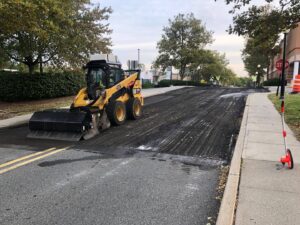 If you’re managing a commercial property on Long Island—whether it’s a retail plaza in Garden City, a school in Hauppauge, or an industrial site near Ronkonkoma—you know how important a smooth, durable asphalt surface is to safety and curb appeal. But hiring the wrong contractor can turn what should be a smart investment into a costly mistake.
Here are seven common mistakes to avoid when hiring a commercial asphalt contractor in Long Island—and how to make sure your next paving project is built to last.
Key Takeaways
- The wrong contractor can’t handle commercial jobs and often causes problems like cracking or drainage failures.
- Local laws, permits, and codes must be followed to avoid fines, delays, or project shutdowns.
- A low price without clear details often means skipped steps and poor results that won’t last.
- Good paving work needs maintenance plans, proper drainage, and a contractor with local experience and solid references.
1. Choosing a Contractor Without Experience in Commercial-Scale Projects
One of the biggest missteps we see is property owners hiring residential-focused contractors for commercial jobs. Commercial paving in Long Island—especially in areas like Melville or Patchogue where lots see high vehicle traffic—requires different equipment, crew size, and engineering knowledge.
A contractor who’s only handled driveways may not be prepared to manage the structural demands of large-scale parking lots or industrial yards. This often leads to drainage issues, premature cracking, or uneven compaction that can ruin your investment.
2. Ignoring Local Permitting and Code Compliance
Each township on Long Island has its regulations around asphalt paving, from required base depths to ADA compliance for parking lot striping. A contractor unfamiliar with Suffolk or Nassau County guidelines can put your project at risk for delays, fines, or even forced rework.
For example, Hempstead’s building department has strict specs for drainage design, while Islip requires engineered site plans for large commercial lots.
Hiring a company that doesn’t handle permitting in-house is a red flag—they may be cutting corners or relying on you to figure out the paperwork.
3. Failing to Verify Proper Insurance and Licensing
Too many property managers assume a contractor is fully insured without asking for documentation. But not every asphalt company working on Long Island carries the right liability and workers’ comp coverage for commercial jobs.
If something goes wrong—like a crew member getting injured or a piece of heavy equipment damaging nearby property in Sayville—you could be left financially exposed.
Always request a valid Certificate of Insurance and confirm their Nassau or Suffolk contractor license is active and specific to paving, not just general construction.
4. Going With the Lowest Bid Without Understanding What’s Included
A low bid may look appealing, but it often signals cut corners or missing scope.
On Long Island, some contractors quote thin asphalt layers or skip essential base prep to keep prices down—especially in competitive areas like Huntington Station or Massapequa. That leads to early surface failures, rutting under heavy vehicles, or puddling during spring thaws.
Make sure every quote clearly outlines materials, thicknesses, grading, and whether services like sealcoating or line striping are included.
A detailed proposal protects you from surprise add-ons and subpar work.
5. Not Asking About Long-Term Maintenance Plans
A good commercial asphalt job doesn’t end when the roller leaves the site. Especially with Long Island’s coastal weather and heavy snow removal needs, your pavement needs regular sealcoating, sweeping, crack filling, and inspections to last.
If your contractor doesn’t offer ongoing maintenance—or worse, they don’t bring it up—it usually means they’re not thinking about the long-term value of your lot.
The best contractors build relationships, not just surfaces.
They should be able to map out a maintenance schedule that fits your budget and traffic patterns, whether you’re running a busy shopping center in Riverhead or a church parking lot in Bay Shore.
6. Overlooking the Importance of Proper Drainage Design
Drainage might not be the first thing you think about when paving, but on Long Island, where we get heavy rains and snowmelt, it’s one of the most important. Poor grading or inadequate catch basins can cause standing water, which breaks down asphalt fast—especially in areas like Port Jefferson or Freeport that deal with saltwater intrusion.
A seasoned commercial asphalt contractor should evaluate your site’s slope, runoff, and existing drainage infrastructure before breaking ground.
If they don’t bring up water management, that’s a serious oversight.
7. Hiring a Company That Doesn’t Offer References From Local Commercial Clients
Anyone can say they do commercial work, but the real test is seeing how their projects hold up over time. Ask for references from Long Island businesses with similar needs—like shopping centers in Smithtown, apartment complexes in Great Neck, or industrial facilities near Farmingdale.
If a contractor struggles to provide recent, relevant examples with awards, it could mean they don’t have the experience they claim.
Talking to past clients for testimonials also gives you insight into how the crew performs on-site, how they handle disruptions to business, and whether the finished product actually lasts.
Get Commercial Paving Done Right the First Time
If you manage a commercial property on Long Island, you don’t have time—or budget—to deal with asphalt jobs done halfway. From the cold winters in Commack to the heavy traffic in Mineola, your pavement has to be tough, compliant, and professionally installed.
At Royal Pavement Solutions, we specialize in commercial asphalt work designed for Long Island’s unique conditions. We handle everything from municipal permitting to proper base installation and long-term maintenance plans.
Our crews have paved everything from school lots in Brentwood to distribution centers in Holbrook, and we always stand behind our work.
Don’t risk costly asphalt repairs or failed inspections.
Call today to schedule a site evaluation or request a free quote.
Frequently Asked Questions
How long does a commercial asphalt project usually take on Long Island?
Most commercial paving jobs take between two and five days. We plan carefully to avoid delays and keep your business running during work at properties like shopping centers or office parks.
What time of year is best for commercial asphalt work on Long Island?
Late spring through early fall is ideal due to warmer, steadier temperatures. We avoid cold snaps and wet weather that could affect compaction or curing on lots across Nassau and Suffolk.
Can you handle phasing for large or multi-tenant commercial properties?
Yes, we break larger jobs into phases to allow continued access for tenants, deliveries, or customers. We regularly do phased paving for retail plazas, apartment complexes, and industrial parks.
Do you offer pavement marking and signage installation?
Yes, we handle line striping, ADA-compliant markings, directional arrows, and signposts. Clear layout and compliance are especially important for busy lots in places like Hauppauge or Hicksville.
Transforming a Worn Parking Lot into a Durable Asset in Long Island
In the heart of Long Island, NY, where commercial properties face the relentless wear of seasonal weather and heavy traffic, maintaining a functional and appealing parking lot is crucial.
At Royal Pavement Solutions, we recently undertook a comprehensive mill and pave project to rejuvenate a deteriorating parking area, turning it into a durable and visually appealing asset for the property owner.
Addressing the Challenges of Aging Pavement
The existing parking lot had suffered from years of exposure to Long Island’s harsh winters and hot summers, leading to cracks, potholes, and uneven surfaces. These issues not only posed safety hazards but also detracted from the property’s overall appearance.
Recognizing the need for a long-term solution, we proposed a full mill and pave approach to restore the lot’s integrity and functionality.
Our Comprehensive Mill and Pave Process
Our team began by milling the top layers of the existing asphalt, carefully removing the damaged surface while preserving the underlying base. This step is essential to ensure a stable foundation for the new pavement. We then applied a fresh layer of hot mix asphalt, meticulously compacted to achieve a smooth and even surface.
To enhance safety and compliance, we completed the project with precise line striping and ADA-compliant markings, ensuring the parking lot met all regulatory standards.
Delivering Results That Exceed Expectations
The transformation was remarkable.
The new parking lot not only improved the property’s curb appeal but also provided a safe and efficient space for customers and employees.
By choosing the mill and pave method, the property owner benefited from a cost-effective solution that extended its lifespan and reduced the need for frequent repairs.
Why Choose Royal Pavement Solutions?
At Royal Pavement Solutions, we bring decades of experience and a commitment to quality in every project we undertake. Our team is equipped with state-of-the-art equipment and follows industry best practices to deliver results that stand the test of time.
We understand the unique challenges faced by properties in Long Island and tailor our services to meet those needs effectively.
Ready to Revitalize Your Parking Lot?
If your commercial property in Long Island is in need of professional asphalt services, we are here to help. Contact us today to schedule a consultation and discover how our mill and pave solutions can enhance the safety, appearance, and value of your property.
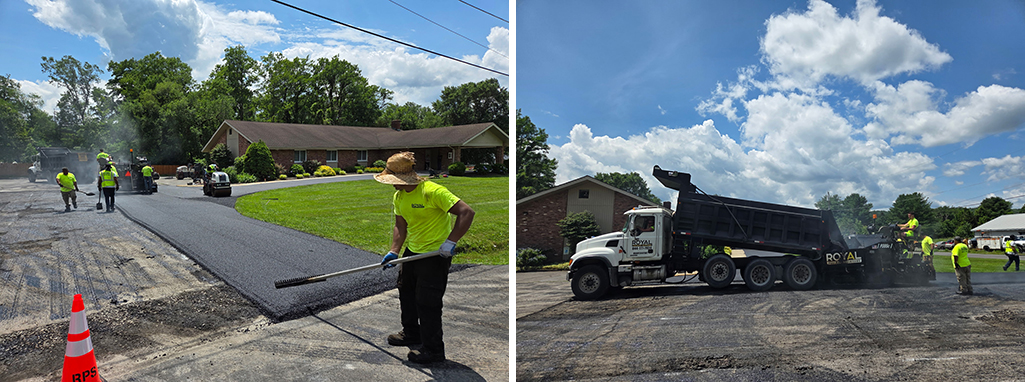
How Does Asphalt Milling Work in Long Island? (7-Step Guide for First-Time Homeowners)
If you’re a homeowner in Long Island facing cracked, uneven, or deteriorating pavement, you’ve probably heard about asphalt milling. But what exactly is it, and how does it work?
Whether your driveway in Massapequa is showing signs of age or your parking area in Smithtown has started crumbling, it is often the first step toward a smoother, safer, and longer-lasting surface. It is a cost-effective way to repair and prep your asphalt surface by removing only the damaged top layer before resurfacing.
Below, we break down the process into 7 clear, easy-to-understand steps.
Key Takeaways
- A full inspection helps decide how deep to mill based on damage, drainage, and local Long Island conditions.
- Local permits and traffic prep are handled early to avoid delays and keep the job safe and smooth.
- Milling removes surface asphalt, recycles old material, and prepares the area for a clean and solid resurfacing.
- Royal Pavement Solutions manages every step so Long Island homeowners get lasting results without hassle or guesswork.
Step 1. Site Inspection and Evaluation
Every asphalt milling in Long Island starts with a thorough site inspection.
Our team looks at the condition of your existing asphalt, checks for drainage issues (which are common in low-lying coastal areas like Long Beach), and determines the depth of damage.
Older driveways in places like Levittown often suffer from surface cracking due to years of freeze-thaw cycles, while newer developments in areas like Ronkonkoma may have sub-base issues from improper installation.
This evaluation helps us decide how deep we need to mill and whether any asphalt repairs are needed before resurfacing.
Step 2. Planning and Permitting
Long Island has a patchwork of local regulations depending on your town or village—from Hempstead to Brookhaven—and some paving projects require permits or approvals, especially if they involve curbs or drainage changes.
We’ll guide you through what’s needed in your area, whether it’s submitting plans to the Town of Oyster Bay or following right-of-way rules in Southampton.
Proper planning ensures the work won’t get delayed or fined, and we always aim to respect local codes and your neighborhood’s character.
Step 3. Traffic and Site Preparation
Before we bring in the milling machine, we prep the site by securing the work area.
In tighter residential blocks like those in Rockville Centre or patchy cul-de-sacs in East Islip, managing traffic flow is key. We’ll coordinate with you to minimize disruption to your daily routine, move any vehicles out of the way, and mark off areas for safety.
For larger driveways or private roads, we may also alert nearby neighbors—especially in close-knit communities like Bellmore—so everyone stays in the loop.
Step 4. Milling the Asphalt Surface
This is where the heavy machinery gets to work. Our milling machines grind off the top layer of asphalt—usually between 1 to 2 inches—while keeping the sub-base intact. This step removes surface damage like rutting, oxidation, and minor potholes.
In older neighborhoods like Northport, we often find driveways that have been resurfaced multiple times. It helps reset the surface without adding height or messing with existing drainage, which is especially important when water runoff laws are strict.
Step 5. Hauling and Recycling the Milled Asphalt
Once the milling is complete, the removed material (called RAP—Reclaimed Asphalt Pavement) is hauled off-site. At Royal Pavement Solutions, we’re committed to sustainability, so we typically recycle this material at local Long Island plants.
In fact, many towns—from North Babylon to Riverhead—are pushing for greener infrastructure, and using recycled materials is both eco-friendly and cost-effective.
Plus, removing the debris right away keeps your property clean and safe until we return to pave.
Step 6. Surface Cleaning and Preparation
After milling, we thoroughly clean the surface to remove dust, chunks, and loose particles. This is critical to make sure the new asphalt layer bonds properly.
In tree-lined neighborhoods like Syosset or Stony Brook, leaves and organic debris can quickly settle in the milled surface, especially if there’s a delay due to weather.
That’s why we keep a close eye on the forecast and schedule asphalt paving shortly after milling to avoid contamination and ensure a smooth finish.
Step 7. Final Asphalt Resurfacing
The final step is applying a new layer of asphalt to the freshly milled surface. This overlay creates a brand-new top layer while keeping the structural base intact.
For homeowners in areas like Commack or Westbury, where the soil may shift or settle over time, this process is ideal. It restores a like-new appearance without the cost of digging everything out.
Once paved, we compact the surface and mark out any necessary lines, making sure everything is sealed tight and ready for regular use, typically within 24 to 48 hours, depending on weather and size.
Need a Reliable Asphalt Milling Contractor in Long Island?
At Royal Pavement Solutions, we specialize in asphalt milling and resurfacing for homeowners across Long Island—from older properties in Port Jefferson to new builds in Patchogue. We handle every part of the process, from inspections and permits to final paving, so you don’t have to worry about a thing.
If you want a clean, long-lasting asphalt surface without the cost of full replacement, we’re here to help. Let us assess your pavement and walk you through the options that fit your home, your budget, and your town’s regulations.
Call today to schedule a free estimate. Your smoother driveway is just one call away.


